L-Pyroglutamic Acid → L-Pyroglutamic Acid
Reaction equation

[NH:1]1[C:5](=[O:6])[CH2:4][CH2:3][C@H:2]1[C:7]([OH:9])=[O:8].[CH2:10]=[CH:11][C:12]1[CH:17]=[CH:16][CH:15]=[CH:14][CH:13]=1.[CH2:18]=[CH:19][CH:20]=[CH2:21].CN(CCN(C)C)C.[Li]CCCC>CCCCCC>[NH:1]1[C:5](=[O:6])[CH2:4][CH2:3][C@H:2]1[C:7]([OH:9])=[O:8].[CH2:10]=[CH:11][C:12]1[CH:17]=[CH:16][CH:15]=[CH:14][CH:13]=1.[CH2:18]=[CH:19][CH:20]=[CH2:21]Participants
8




Procedure
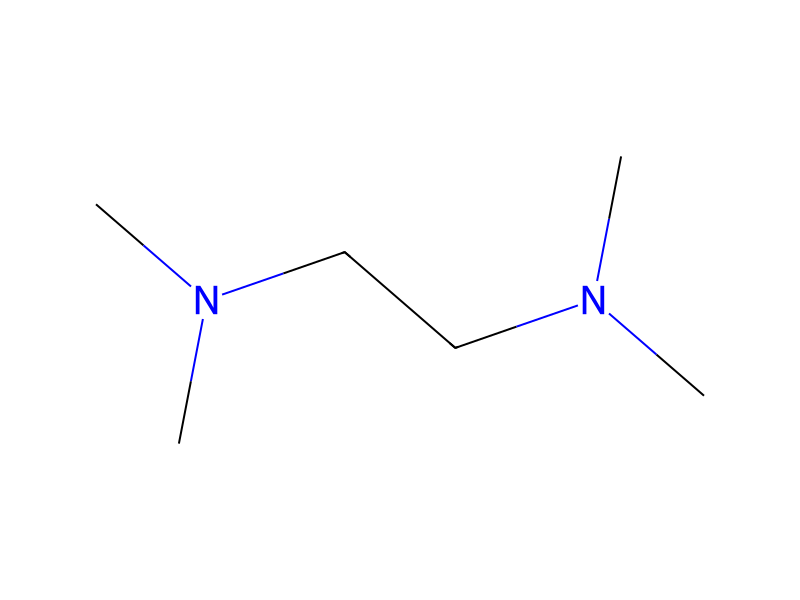
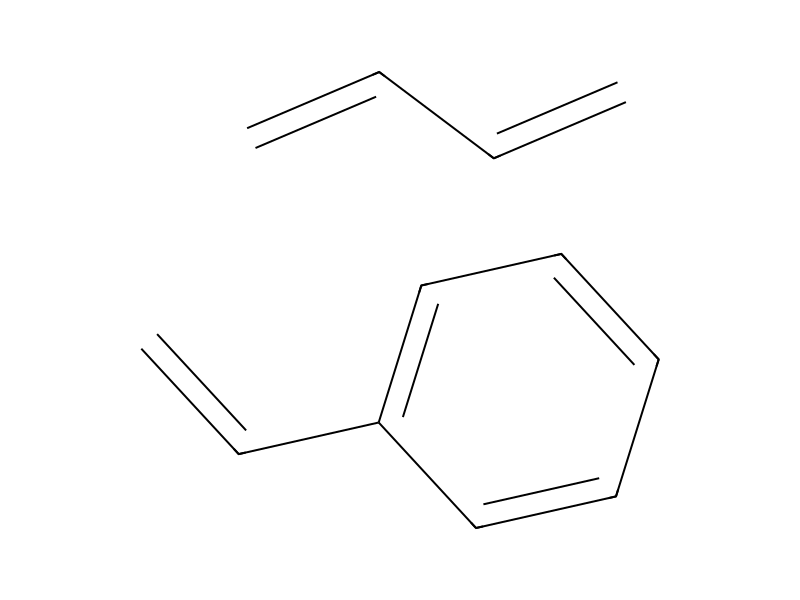
In this experiment, a 0.5/19.5/80 Pyr-AMS/styrene/1,3-butadiene terpolymer was prepared. The procedure described in Example 1 was used except that a premix containing Pyr-AMS, styrene and 1,3-butadiene in hexane at a weight ratio of 0.5:19.5:80 was used as the monomer premix solution and the molar ratio of potassium 3,7-dimethyl-3-octanoxide to TMEDA to n-BuLi was 0.015:2:1. The GC analysis of residual monomer again showed that polymerization rates of the three monomers were almost identical indicating that both Pyr-AMS and styrene were randomly distributed along the polymer chain.
Workup
- additionpremix solution
- customThe GC analysis of residual monomer again showed that polymerization rates of the three monomers
Sources & evidence
- ORD record
- ord-78b7c839c265495084516e3e6533efcc
- Source dataset
- uspto-grants-2007_05
- Patent number
- US07222650B2
Reaction notes
Loading…