Aniline → HCID 18003168, compound
Reaction equation

[C:1]1(=O)[C:13]2[C:5]([C:6]3[C:11]([CH:12]=2)=[CH:10][CH:9]=[CH:8][CH:7]=3)=[CH:4][CH:3]=[CH:2]1.[NH2:15][C:16]1[CH:21]=[CH:20][CH:19]=[CH:18][CH:17]=1>>[NH2:15][C:16]1[CH:21]=[CH:20][CH:19]=[CH:18][C:17]=1[C:12]1([C:17]2[CH:18]=[CH:19][CH:20]=[CH:21][C:16]=2[NH2:15])[C:11]2[CH:10]=[CH:9][CH:8]=[CH:7][C:6]=2[C:5]2[C:13]1=[CH:1][CH:2]=[CH:3][CH:4]=2Participants
Reactant 2

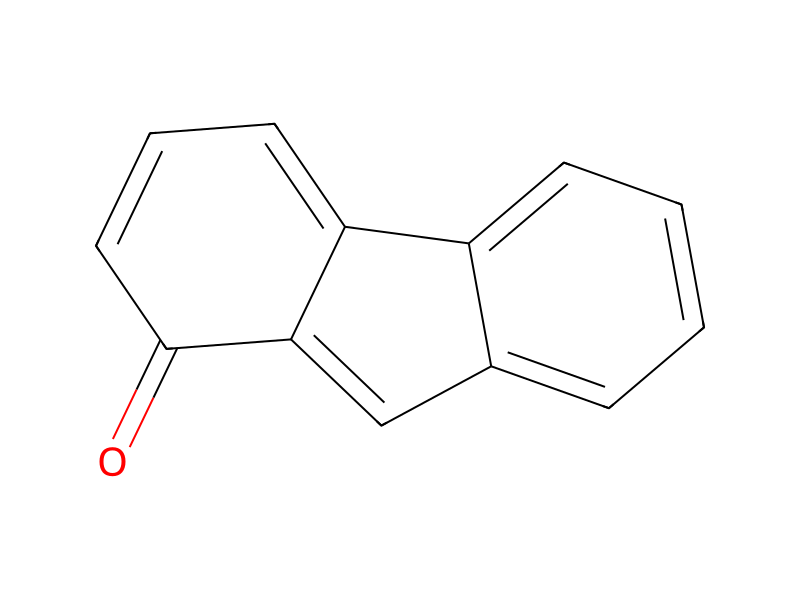
Product 1

Procedure
More specifically, a symmetrical compound can be synthesized by the following method: A mixture containing a fluorenone and an aniline is refluxed in the presence of an acid catalyst to produce an intermediate 9,9-bis(aminophenyl)fluorene. The intermediate is subsequently reacted with aryl halides (Ar—X and Ar′—X, stepwise) in the presence of a catalyst such as palladium to obtain the desired symmetrical product. An asymmetrical compound, on the other hand, can be synthesized as follows: A reaction mixture containing a fluorenone and two different anilines (e.g., an aniline and a 2-fluoroaniline as shown in the above scheme) is refluxed in the presence an acid catalyst to produce a mixture including an asymmetric fluorene intermediate. The asymmetric fluorene intermediate is then reacted with aryl halides (Ar—X and Ar′—X, stepwise) in the presence of a catalyst such as palladium to produce the desired asymmetrical product.
Workup
- customMore specifically, a symmetrical compound can be synthesized by the following method
Sources & evidence
- ORD record
- ord-08fa2bae686b4379b99b71a170987bdf
- Source dataset
- uspto-grants-2003_07
- Patent number
- US06586120B2
Reaction notes
Loading…