Phosphate → Dibenzyl ether
Reaction equation

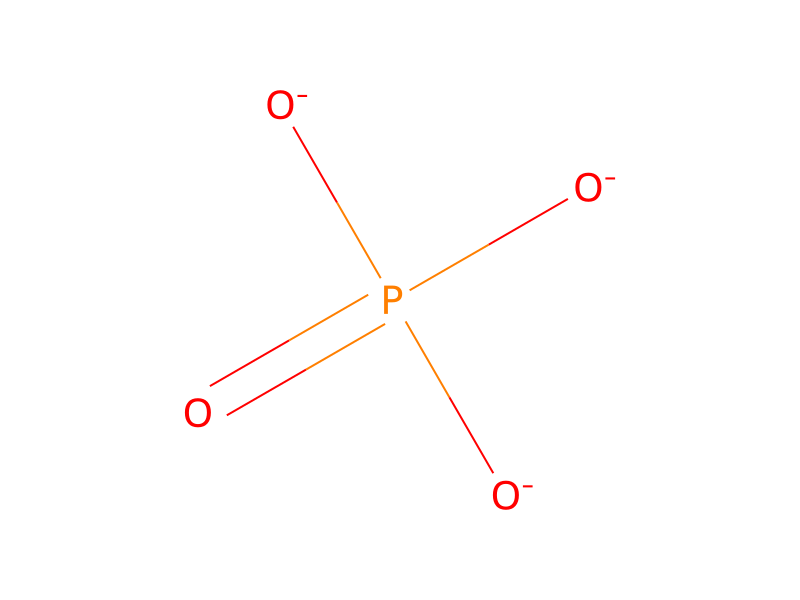
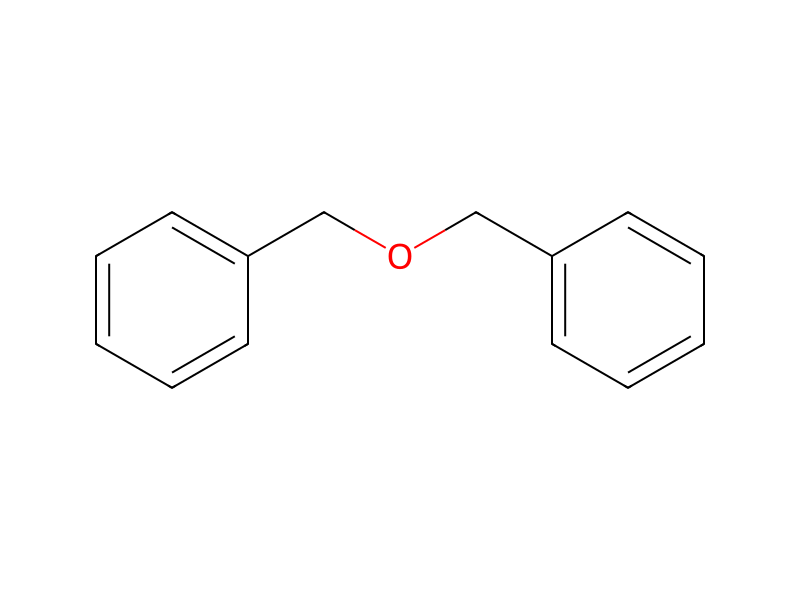
[CH3:1][C:2]([C@@H:4]([C@H:6]([CH2:8]O)O)O)=O.[CH2:10]([O:17][CH2:18][CH:19]=O)[C:11]1[CH:16]=[CH:15][CH:14]=[CH:13][CH:12]=1.P([O-])([O-])([O-])=O.OCC(=O)C>C(#N)C>[CH2:10]([O:17][CH2:18][C:19]1[CH:8]=[CH:6][CH:4]=[CH:2][CH:1]=1)[C:11]1[CH:16]=[CH:15][CH:14]=[CH:13][CH:12]=1Participants
Reactant 4


Product 1
Reagents, catalysts & solvents 1

Procedure
FIG. 41 illustrates Ketone 2111a was easily transformed to 1-deoxy-L-xylulose (1111) by hydrogenation. Benzyloxyacetaldehyde (80 mg, 0.53 mmol) in ) in ) 0.5 mL of acetonitrile, was added to 9 mL of a solution of antibody 38C2 (35 mg, 0.23 mmol) in PBS (phosphate buffer saline, 100 mM), followed by the addition of of hydroxyacetone. (0.5 mL, 6.3 mmol). After 48 hr at room temperature the reaction reached 56% conversion and the mixture was freeze dried. The remaining residue was extracted with methylene chloride. The solvent was removed under reduced pressure and the crude product was purified by column chromatography (silica gel, ethyl acetate/hexane, 1/1) to give pure 2111a (39 mg, 0.17 mmol, 32%) in 97% ee. Benzyl ether 2111a (39 mg, 0.17 mmol) was dissolved in 1 mL of methanol and hydrogenated with a catalytic amount of palladium hydroxide on carbon. After two hr, the mixture was filtered through celite and the solvent was removed under reduced pressure to give pure 1-deoxy-L-xylulose (19 mg, 0.14 mmol, 81%).
Workup
- customdried
- extractionThe remaining residue was extracted with methylene chloride
- customThe solvent was removed under reduced pressure
- customthe crude product was purified by column chromatography (silica gel, ethyl acetate/hexane, 1/1)
Sources & evidence
- ORD record
- ord-27158c065eb04642b1e5789b63286ecd
- Source dataset
- uspto-grants-2003_07
- Patent number
- US06589766B1
Reaction notes
Loading…