Tert-Butyl nitrite → Adenosine,2-bromo-2'-deoxy-(9CI)
Reaktionsgleichung

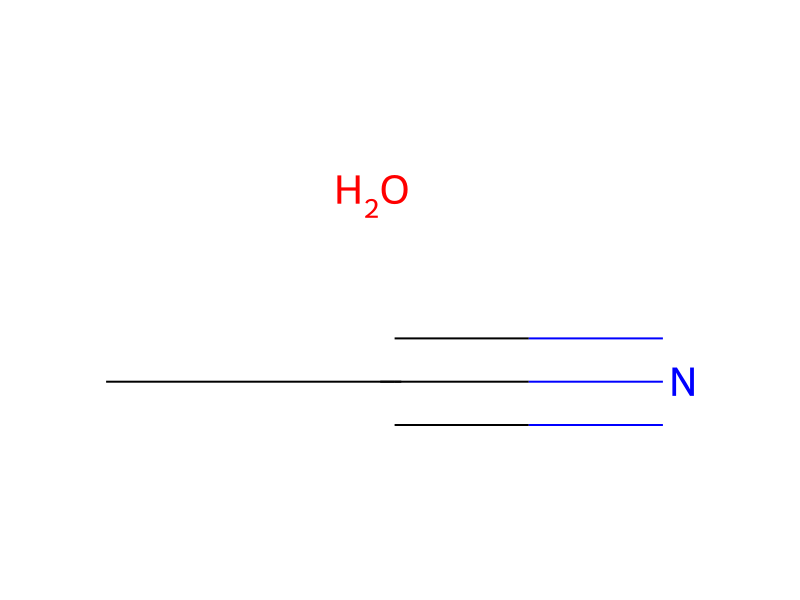
[CH:1]1[N:9]([C@@H:10]2[O:14][C@H:13]([CH2:15][OH:16])O[CH2:11]2)[C:8]2[N:7]=[C:6](N)[N:5]=[C:4]([NH2:18])[C:3]=2[N:2]=1.[Sb](Br)(Br)[Br:20].N([O:25][C:26](C)(C)C)=O.C(#N)C.O>ClC(Cl)C.CS(C)=O.C(O)(=O)C>[Br:20][C:6]1[N:5]=[C:4]([NH2:18])[C:3]2[N:2]=[CH:1][N:9]([C:8]=2[N:7]=1)[C@@H:10]1[O:14][C@H:13]([CH2:15][OH:16])[C@@H:26]([OH:25])[CH2:11]1Komponenten
7





Reaktionsbedingungen
- Temperatur
- 0 °C
Versuchsvorschrift
DAPD (2 g, 7.5 mmol) was suspended in 170 mL dichloroethane/DMSO (4:1) and cooled to 0° C. under an inert atmosphere. To this was added antimony tribromide (3.8 g, 10.5 mmol) and tert-butyl nitrite (1.85 mL, 1.6 g, 15.5 mmol) followed by stirring while allowing the reaction to warm to room temperature. Analysis by HPLC [Novapak C-18; 5% acetonitrile/water, 0.1M TEA, pH 7 with acetic acid] revealed a new peak that eluted at 5.59 minutes (a retention time that was expected for the brominated product) with concomitant loss of DAPD starting material. The reaction was stirred overnight and quenched with triethylamine. The conversion by HPLC was 26% indicating the synthesis of 2-bromo-2′-deoxyadenosine.
Aufarbeitung
- customthe reaction
- temperatureto warm to room temperature
- washthat eluted at 5.59 minutes (a retention time that
- stirringThe reaction was stirred overnight
- customquenched with triethylamine
- customthe synthesis of 2-bromo-2′-deoxyadenosine
Quellen und Nachweise
- ORD-Eintrag
- ord-68c5885cd720466eba66ef062d0fd6aa
- Quelldatensatz
- uspto-grants-2003_07
- Patentnummer
- US06596858B2
Notizen zur Reaktion
Wird geladen…