Diammonium cerium nitrate → 4,4-Dimethyl-1,3(2H,4H)-isoquinolinedione
Reaction equation

COC1C=CC(C[N:8]2[C:17](=[O:18])[C:16]([CH3:20])([CH3:19])[C:15]3[C:10](=[CH:11][CH:12]=[CH:13][CH:14]=3)[C:9]2=[O:21])=CC=1.[N+]([O-])([O-])=O.[Ce+3].[NH4+].[NH4+].[N+]([O-])([O-])=O.[N+]([O-])([O-])=O.[N+]([O-])([O-])=O.[N+]([O-])([O-])=O>C(#N)C.O>[CH3:19][C:16]1([CH3:20])[C:15]2[C:10](=[CH:11][CH:12]=[CH:13][CH:14]=2)[C:9](=[O:21])[NH:8][C:17]1=[O:18]Participants
4


Procedure
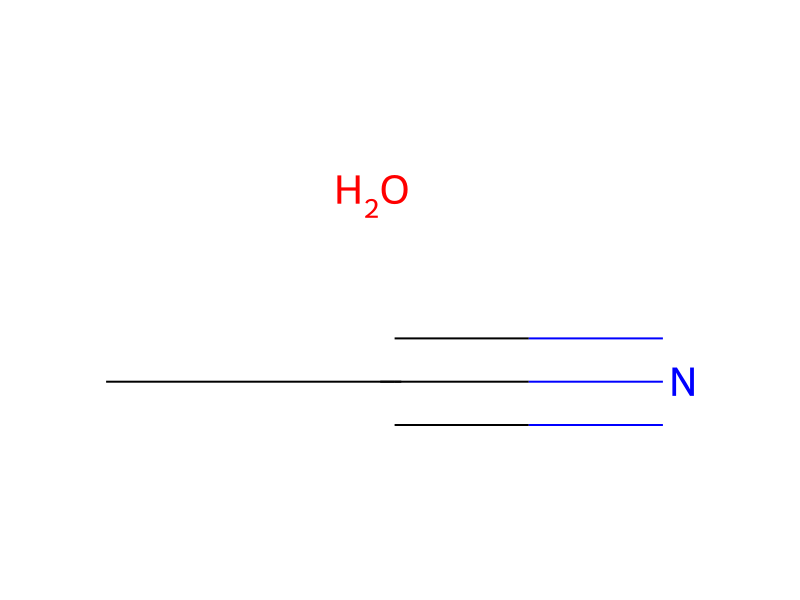
The compound (6.0 g) obtained in step (b) just above was dissolved in a mixed solvent (acetonitrile:water 4:1) (40 ml). Diammonium cerium nitrate (26.6 g) was added to the solution. The mixture was stirred at room temperature for 3 hr. The reaction solution was extracted with ethyl acetate. The organic layer was then dried over anhydrous magnesium sulfate. The solvent was then removed by distillation under the reduced pressure. The residue was purified by column chromatography on silica gel (hexane:ethyl acetate=8:2) to give 4,4-dimethyl-4H-isoquinoline-1,3-dione (10.9 g).
Workup
- extractionThe reaction solution was extracted with ethyl acetate
- dry with materialThe organic layer was then dried over anhydrous magnesium sulfate
- customThe solvent was then removed by distillation under the reduced pressure
- customThe residue was purified by column chromatography on silica gel (hexane:ethyl acetate=8:2)
Sources & evidence
- ORD record
- ord-3944a70fab324a0f8f6c5c581df1f809
- Source dataset
- uspto-grants-2003_06
- Patent number
- US06583144B2
Reaction notes
Loading…