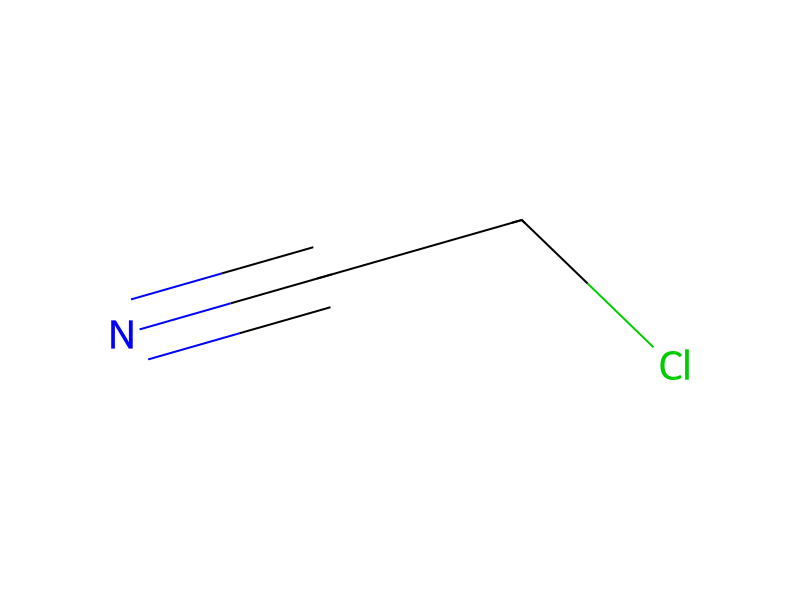
Chloroacetonitrile → HCID 21936062, compound
Reaction equation

[CH3:1][O:2][C:3]1[CH:4]=[C:5]2[C:10](=[CH:11][C:12]=1[O:13][CH2:14][CH2:15][CH2:16][N:17]1[CH2:22][CH2:21][NH:20][CH2:19][CH2:18]1)[N:9]=[CH:8][N:7]=[C:6]2[NH:23][C:24]1[CH:29]=[CH:28][CH:27]=[C:26]2[O:30][CH2:31][O:32][C:25]=12.Cl[CH2:34][C:35]#[N:36]>>[C:35]([CH2:34][N:20]1[CH2:21][CH2:22][N:17]([CH2:16][CH2:15][CH2:14][O:13][C:12]2[CH:11]=[C:10]3[C:5]([C:6]([NH:23][C:24]4[CH:29]=[CH:28][CH:27]=[C:26]5[O:30][CH2:31][O:32][C:25]=45)=[N:7][CH:8]=[N:9]3)=[CH:4][C:3]=2[O:2][CH3:1])[CH2:18][CH2:19]1)#[N:36]Participants
3


Procedure
Using an analogous procedure to that described in Example 12, 6-methoxy-4-(2,3-methylenedioxyanilino)-7-(3-piperazin-1-ylpropoxy)quinazoline was reacted with 2-chloroacetonitrile to give the title compound as a solid; NMR Spectrum: (DMSOd6) 2.1 (m, 2H), 2.45–2.7 (m, 1H), 3.5 (s, 2H), 4.0 (s, 3H), 4.25 (t, 2H), 6.0 (s, 2H), 6.7 (d, 1H), 6.9 (t, 1H), 7.0 (m, 21), 7.75 (d, 1H), 8.7 (s, 1H); Mass Spectrum: M+H+ 477.
Sources & evidence
- ORD record
- ord-43fc898a561c4b01997a2397c79e70fc
- Source dataset
- uspto-grants-2007_01
- Patent number
- US07157467B2
Reaction notes
Loading…