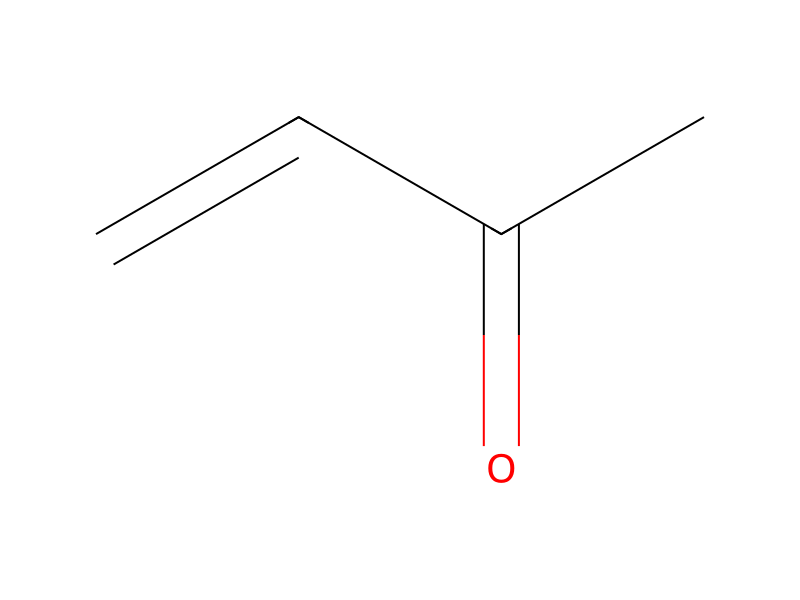
Methyl vinyl ketone → 5-Amino-2-butyl-4-chloro-6-fluoro-2-(3-oxobutyl)-1-indanone
Reaction equation

[NH2:1][C:2]1[C:3]([Cl:17])=[C:4]2[C:8](=[CH:9][C:10]=1[F:11])[C:7](=[O:12])[CH:6]([CH2:13][CH2:14][CH2:15][CH3:16])[CH2:5]2.C[O-:19].[Na+].[CH:21]([C:23]([CH3:25])=O)=[CH2:22]>CO>[NH2:1][C:2]1[C:3]([Cl:17])=[C:4]2[C:8](=[CH:9][C:10]=1[F:11])[C:7](=[O:12])[C:6]([CH2:22][CH2:21][CH2:23][CH3:25])([CH2:13][CH2:14][C:15](=[O:19])[CH3:16])[CH2:5]2Participants
5




Conditions
- Temperature
- 45 °C
Procedure
A solution of 5-amino-2-butyl-4-chloro-6-fluoro-1-indanone (2.705 g, 10.6 mmol) in methanol (17 mL) was treated with sodium methoxide (0.5M solution in MeOH, 4.2 mL, 2.1 mmol) and methyl vinyl ketone (1.3 mL, 15.75 mmol). The resulting solution was stirred under a nitrogen atmosphere and heated in an oil bath at 45° C. for 21 hours. After cooling to room temperature, the mixture was filtered through a pad of silica gel and the filtrate was evaporated under vacuum to afford crude 5-amino-2-butyl-4-chloro-6-fluoro-2-(3-oxobutyl)-1-indanone.
Workup
- temperatureAfter cooling to room temperature
- filtrationthe mixture was filtered through a pad of silica gel
- customthe filtrate was evaporated under vacuum
Sources & evidence
- ORD record
- ord-21f9603f4589458d9685df8afca79c10
- Source dataset
- uspto-grants-2007_01
- Patent number
- US07157604B2
Reaction notes
Loading…