Pyridine → HCID 23191324, compound
Reaction equation

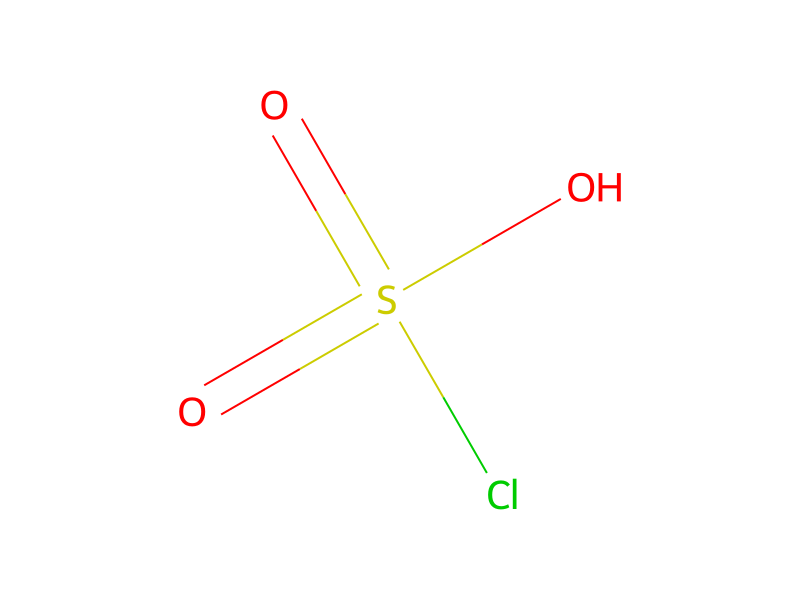
[CH3:1][O:2][CH:3]([O:5][C:6]1[CH:13]=[CH:12][C:9]([CH:10]=[CH2:11])=[CH:8][CH:7]=1)[CH3:4].[CH3:14]OC(C)=C.N1C=CC=CC=1.ClS(O)(=O)=O>O1CCOCC1>[CH3:1][O:2][C:3]([CH3:14])([O:5][C:6]1[CH:7]=[CH:8][C:9]([CH:10]=[CH2:11])=[CH:12][CH:13]=1)[CH3:4].[OH:5][C:6]1[CH:13]=[CH:12][C:9]([CH:10]=[CH2:11])=[CH:8][CH:7]=1Participants
6
Reactant 4



Product 1

Reagents, catalysts & solvents 1

Procedure
To a solution of poly(p-hydroxystyrene) (4.0 g) obtained in the same manner as described in Synthesis Example 3, (2) and 2-methoxy-1-propene (4.8 g) in a mixed solvent (35 ml) of pyridine and 1,4-dioxane, a catalytic amount of chlorosulfonic acid was added and then reacted with stirring at room temperature for 20 hours. After reaction, the reaction was carried out in the same manner as described in Synthesis Example 2, (3) to give 4.1 g of poly[p-(1-methoxy-1-methylethoxy)styrene/p-hydroxystyrene as a white powder having Mw 10000 (GPC with polystyrene calibration). The composition of the polymer was found to be p-(1-methoxy-1-methylethoxy)styrene unit and p-hydroxystyrene unit in a molar ratio of ca. 1:1 based on 1 HNMR.
Workup
- customreacted
- customAfter reaction
Sources & evidence
- ORD record
- ord-c12aa2ccea454d5290683fabdc16ef37
- Source dataset
- uspto-grants-1997_09
- Patent number
- US05670299
Reaction notes
Loading…