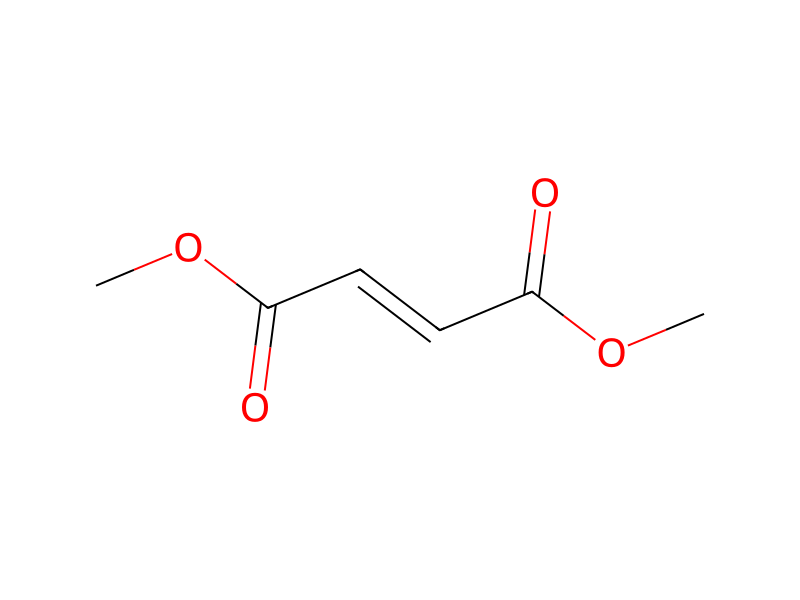
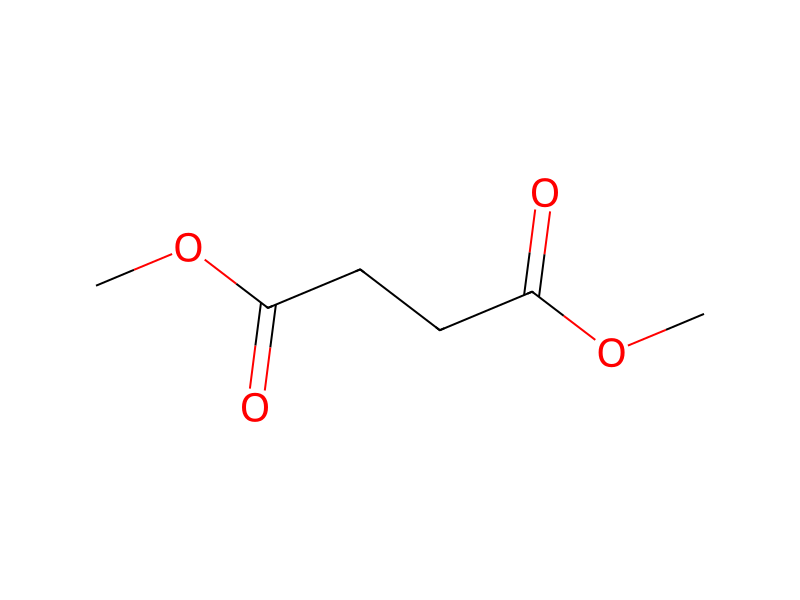
Dimethyl Fumarate → Dimethyl Succinate
Reaction equation

[CH3:1][CH:2]1[CH2:10][CH:9]=[C:8]2[CH:4]([C:5](=[O:12])[O:6][C:7]2=[O:11])[CH2:3]1.[C:13]([O:21][CH3:22])(=[O:20])/[CH:14]=[CH:15]\[C:16]([O:18][CH3:19])=[O:17].C(OC)(=O)/C=C/C(OC)=O>>[CH3:1][C:2]1[CH:3]=[C:4]2[C:8](=[CH:9][CH:10]=1)[C:7](=[O:11])[O:6][C:5]2=[O:12].[C:13]([O:21][CH3:22])(=[O:20])[CH2:14][CH2:15][C:16]([O:18][CH3:19])=[O:17]Participants
5



Procedure
10 ml/hour of a solution of 1 mol of 5-methyl-tetrahydroisobenzofuran-1,3-dione and 2 mol of dimethyl maleate were pumped at 200° C. into the top of a trickle-phase reactor filled with 100 ml of catalyst in tablet form (5% by weight palladium-on-aluminium oxide). The conversion of the dimethyl maleate after passage through the reactor was 100%. No dimethyl fumarate could be detected in the product mixture leaving the reactor. 5-Methylisobenzofuran-1,3-dione and dimethyl succinate had been formed with selectivities of over 95% and over 97% respectively. The conversion of the dehydrogenation was 99.8%. The catalyst showed no signs of deactivation after 500 hours of operation.
Workup
- customleaving the reactor
Sources & evidence
- ORD record
- ord-381dc97d1e8449a88a854f5edccc856a
- Source dataset
- uspto-grants-1997_09
- Patent number
- US05672719
Reaction notes
Loading…