Boron tribromide → 1,1,1-Trifluoro-4-(4-hydroxyphenyl)butan-2-one
Reaction equation

[F:1][C:2]([F:16])([F:15])[C:3](=[O:14])[CH2:4][CH2:5][C:6]1[CH:11]=[CH:10][C:9]([O:12]C)=[CH:8][CH:7]=1.C(=O)=O.CC(C)=O.B(Br)(Br)Br>ClCCl>[OH:12][C:9]1[CH:10]=[CH:11][C:6]([CH2:5][CH2:4][C:3](=[O:14])[C:2]([F:1])([F:15])[F:16])=[CH:7][CH:8]=1Participants


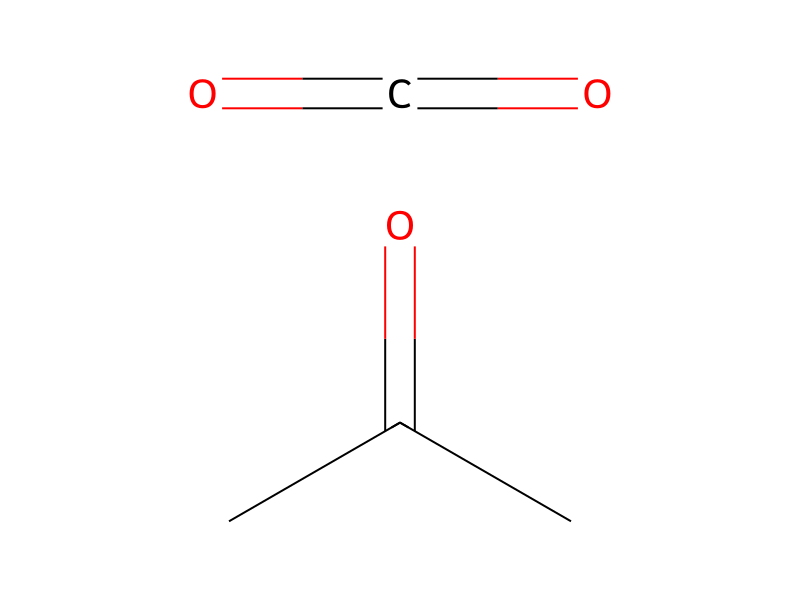


Conditions
- Temperature
- 0 °C
Procedure
To a solution of 1,1,1-trifluoro-4-[4-methoxyphenyl]-2-butanone (43.5 g, 0.187 mol) in dichloromethane (500 ml) at −78° C. (dry ice-acetone) was added dropwise boron tribromide (53 ml, 0.561 mol). The mixture was then stirred at 0° C. (ice bath) for 3 h, and cautiously quenched by dropwise addition of ice-water (200 ml) over a period of 1 h. The aqueous phase was saturated with solid sodium chloride, extracted with dichloromethane (500 ml) followed by diethyl ether (500 ml). The combined organic layers were dried over anhydrous magnesium sulfate and concentrated in vacuo. The residue was purified by bulb-to-bulb distilation (96-100° C., 0.2 mmHg) to afford the title compound (34.4 g, 84%) as a yellow liquid which solidified upon standing.
Workup
- customcautiously quenched by dropwise addition of ice-water (200 ml) over a period of 1 h
- extractionextracted with dichloromethane (500 ml)
- dry with materialThe combined organic layers were dried over anhydrous magnesium sulfate
- concentrationconcentrated in vacuo
- customThe residue was purified by bulb-to-bulb distilation (96-100° C., 0.2 mmHg)
Sources & evidence
- ORD record
- ord-2ced50b9bb7a45f68e1c66494791235f
- Source dataset
- uspto-grants-2001_07
- Patent number
- US06255496B1
Reaction notes
Loading…