Acrylamide → HCID 22754531, compound
Reaction equation

[C:1]([OH:5])(=[O:4])[CH:2]=[CH2:3].[CH2:6]([O:10][C:11](=[O:14])[CH:12]=[CH2:13])[CH2:7][CH2:8][CH3:9].[C:15]([NH2:19])(=[O:18])[CH:16]=[CH2:17]>O1CCOCC1>[C:1]([OH:5])(=[O:4])[CH:2]=[CH2:3].[CH2:6]([O:10][C:11](=[O:14])[CH:12]=[CH2:13])[CH2:7][CH2:8][CH3:9].[C:15]([NH2:19])(=[O:18])[CH:16]=[CH2:17]Participants
5
Reactant 3


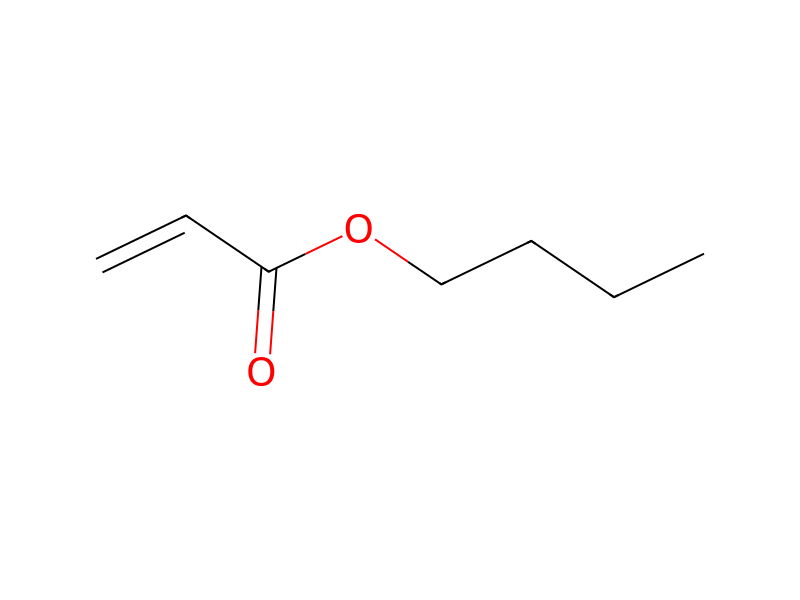
Product 1

Reagents, catalysts & solvents 1

Conditions
- Temperature
- 70 °C
Procedure
A solution was prepared of acrylic acid (10.0 g, 133 mmol), n-butylacrylate (4.0 g, 31.4 mmol) and acrylamide (4.0 g, 56.3 mmol) in dioxane (200 mL). After the solution was degassed with a rapid stream of nitrogen, AIBN (1.3 g) was added. The resulting solution was degassed for a further thirty minutes and was then heated to 70° C. for 17 h. As the reaction proceeded, the polymer precipitated as a fibrous white solid. The solution was cooled and the dioxane was decanted. The polymer was washed with ethyl acetate (600 mL), then with hexanes (300 mL) and dried in vacuo.
Workup
- customAfter the solution was degassed with a rapid stream of nitrogen, AIBN (1.3 g)
- additionwas added
- customThe resulting solution was degassed for a further thirty minutes
- customthe polymer precipitated as a fibrous white solid
- temperatureThe solution was cooled
- customthe dioxane was decanted
- washThe polymer was washed with ethyl acetate (600 mL)
- dry with materialwith hexanes (300 mL) and dried in vacuo
Sources & evidence
- ORD record
- ord-955c78be3a4f4a91b84fbd48fe07a5c2
- Source dataset
- uspto-grants-2001_07
- Patent number
- US06268126B1
Reaction notes
Loading…