Pyridine → N-(4-Chlorophenyl)-3-oxo-2-phenylpyrazolidine-1-carbothioamide
Reaction equation

[C:1]1([N:7]2[C:11](=[O:12])[CH2:10][CH2:9][NH:8]2)[CH:6]=[CH:5][CH:4]=[CH:3][CH:2]=1.[Cl:13][C:14]1[CH:19]=[CH:18][C:17]([N:20]=[C:21]=[S:22])=[CH:16][CH:15]=1.N1C=CC=CC=1>C1(C)C=CC=CC=1>[Cl:13][C:14]1[CH:19]=[CH:18][C:17]([NH:20][C:21]([N:8]2[CH2:9][CH2:10][C:11](=[O:12])[N:7]2[C:1]2[CH:6]=[CH:5][CH:4]=[CH:3][CH:2]=2)=[S:22])=[CH:16][CH:15]=1Participants
5
Reactant 3

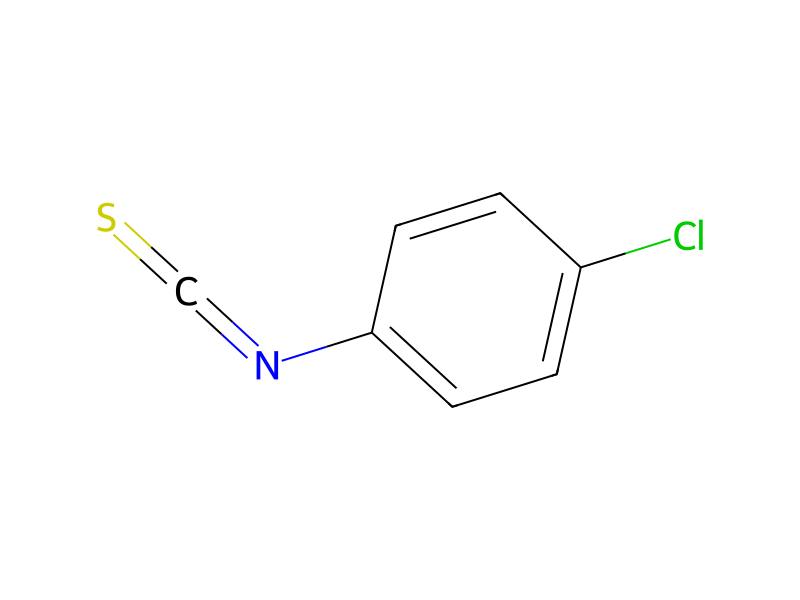

Product 1

Reagents, catalysts & solvents 1

Procedure
A mixture of 2.11 grams (0.013 mole) of 2-phenyl-3-pyrazolidinone, 2.21 grams (0.013 mole) of 4-chlorophenyl isothiocyanate and 0.5 ml of pyridine in 15 ml of toluene was heated at reflux for 9 hours. The reaction mixture was allowed to cool to room temperature forming a crystalline precipitate. The crystalline precipitate was collected by filtration to yield 3.92 grams of 1-(4-chlorophenylthiocarbamoyl)-2-phenyl-3-pyrazolidinone (mp 136°-139° C.).
Workup
- temperaturewas heated
- temperatureat reflux for 9 hours
- customforming a crystalline precipitate
- filtrationThe crystalline precipitate was collected by filtration
Sources & evidence
- ORD record
- ord-67cbdd4de66e40d5a0fe4f7fba759901
- Source dataset
- uspto-grants-1984_02
- Patent number
- US04431659
Reaction notes
Loading…