Acetic Acid → HCID 56628153, compound
Reaction equation

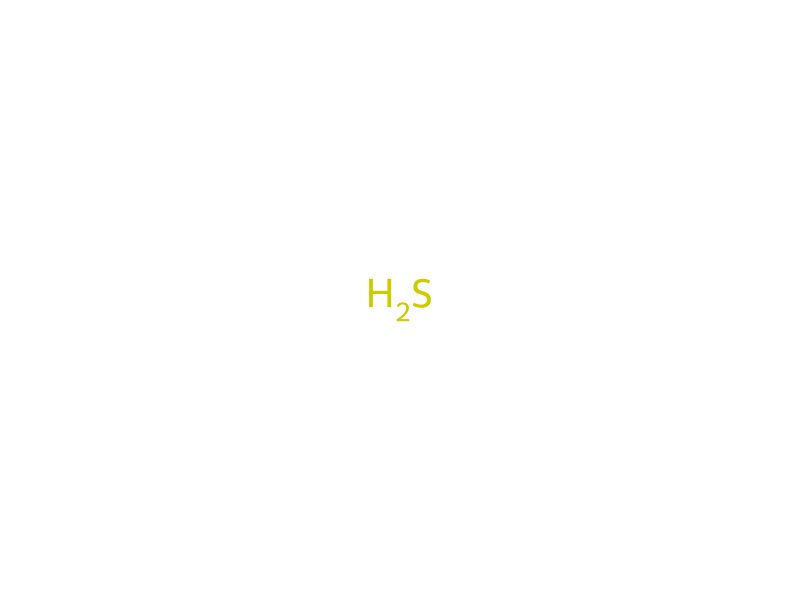
[NH2:1][C:2]1[N:6]([CH:7]([CH2:11][CH2:12][CH2:13][CH2:14][CH2:15][CH3:16])[CH:8]([OH:10])[CH3:9])[CH:5]=[N:4][C:3]=1[C:17]#[N:18].[OH-].[K+].[SH2:21].C(O)(=O)C>CO.O>[NH2:1][C:2]1[N:6]([CH:7]([CH2:11][CH2:12][CH2:13][CH2:14][CH2:15][CH3:16])[CH:8]([OH:10])[CH3:9])[CH:5]=[N:4][C:3]=1[C:17](=[S:21])[NH2:18]Participants
Reactant 4



Product 1

Reagents, catalysts & solvents 2


Procedure
A solution of erythro 5-amino-1-(2-hydroxynon-3-yl)-1H-imidazole-4-carbonitrile (1.02 g; 0.004 m) and potassium hydroxide (0.91 g; 0.163 m) in dry methanol (80 ml) was cooled to 0°, saturated with hydrogen sulphide, and heated to 100° for 5 hours. After cooling to 0°, nitrogen was passed through the solution to remove excess hydrogen sulphide and the residue was evaporated in vacuo to give a yellow solid. This solid was suspended in water and acetic acid added dropwise to pH5. The resulting precipitate was collected by filtration and washed with water. The residue was dissolved in dichloromethane/ethyl acetate, dried (Na2SO4) and evaporated in vacuo to give a white solid (1.22 g). Recrystallisation from ethyl acetate/charcoal gave a pale yellow solid, which was triturated in ether to give the product as white crystals (0.74 g) mp 170°-171°.
Workup
- temperatureheated to 100° for 5 hours
- temperatureAfter cooling to 0°
- customto remove excess hydrogen sulphide
- customthe residue was evaporated in vacuo
- customto give a yellow solid
- filtrationThe resulting precipitate was collected by filtration
- washwashed with water
- dissolutionThe residue was dissolved in dichloromethane/ethyl acetate
- dry with materialdried (Na2SO4)
- customevaporated in vacuo
Sources & evidence
- ORD record
- ord-2103b2e1b5b54ab8929397cc52f43c53
- Source dataset
- uspto-grants-1984_02
- Patent number
- US04432990
Reaction notes
Loading…