Dimethylamine → HCID 13055164, compound
Reaction equation

[Cl:1][C:2]1[CH:3]=[C:4]([C:7]([C:10]2[CH:15]=[CH:14][CH:13]=[CH:12][C:11]=2[CH3:16])=[CH:8][CH:9]=1)[C:5]#[N:6].[CH3:17][NH:18][CH3:19]>C(Cl)Cl>[Cl:1][C:2]1[CH:3]=[C:4]([C:7]([C:10]2[CH:15]=[CH:14][CH:13]=[CH:12][C:11]=2[CH2:16][N:18]([CH3:19])[CH3:17])=[CH:8][CH:9]=1)[C:5]#[N:6]Participants
4
Reactant 2
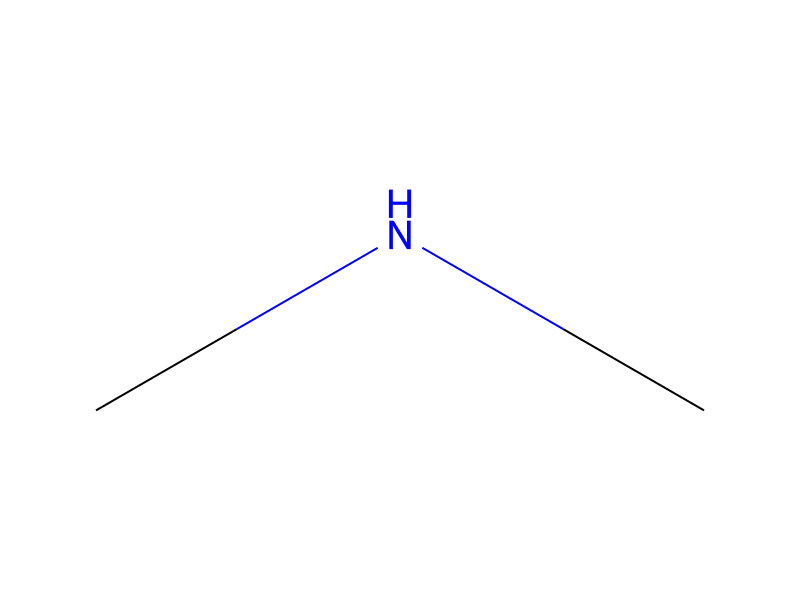

Product 1

Reagents, catalysts & solvents 1

Procedure
The starting material is prepared as follows: 3.8 g of 3-chloro-6-o-tolyl-benzonitrile (described in Example 3) is brominated as described in Example 2, and the residue dissolved in 25 ml of methylene chloride. The solution is added slowly to that of 14 g of liquid dimethylamine in 100 ml of methylene chloride while stirring at 0°. The mixture is stirred at room temperature for 16 hours, evaporated and the residue stirred with diethyl ether and 1 N hydrochloric acid. The aqueous phase is separated, combined with methylene chloride and basified with cold 2 N aqueous sodium hydroxide. The organic layer is separated, dried and evaporated to yield the 3-chloro-6-(o-dimethylaminomethyl-phenyl)-benzonitrile.
Workup
- customThe starting material is prepared
- stirringThe mixture is stirred at room temperature for 16 hours
- customevaporated
- stirringthe residue stirred with diethyl ether and 1 N hydrochloric acid
- customThe aqueous phase is separated
- customThe organic layer is separated
- customdried
- customevaporated
Sources & evidence
- ORD record
- ord-1c58959e882242a0b52cd52d2a225543
- Source dataset
- uspto-grants-1984_02
- Patent number
- US04434100
Reaction notes
Loading…