Methyl acetoacetate → 4-Pentenoic acid, 2-acetyl-, methyl ester
Reaction equation

[CH2:1](Cl)[CH:2]=[CH2:3].[C:5]([O:11][CH3:12])(=[O:10])[CH2:6][C:7]([CH3:9])=[O:8].C(Br)C=C>CCCCCCCC[N+](CCCCCCCC)(CCCCCCCC)C.[Cl-]>[C:5]([CH:6]([C:7](=[O:8])[CH3:9])[CH2:3][CH:2]=[CH2:1])([O:11][CH3:12])=[O:10]Participants
Reactant 3
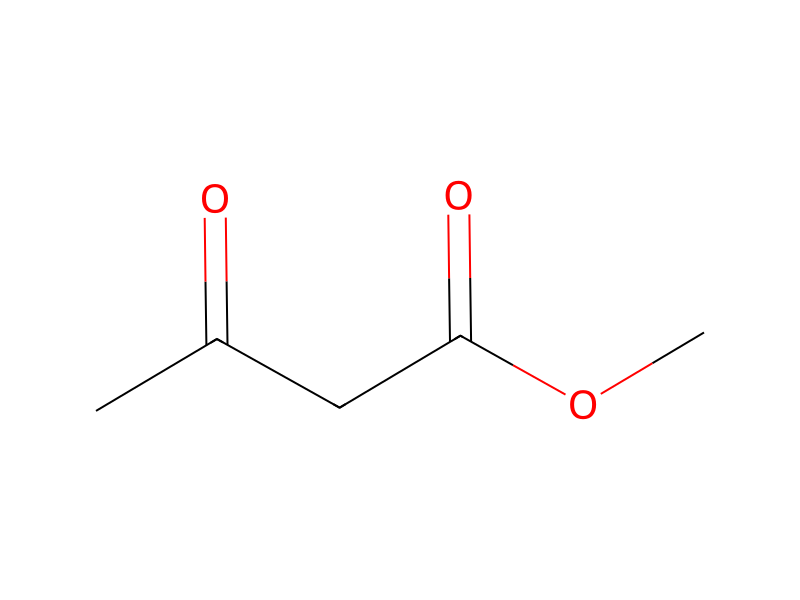

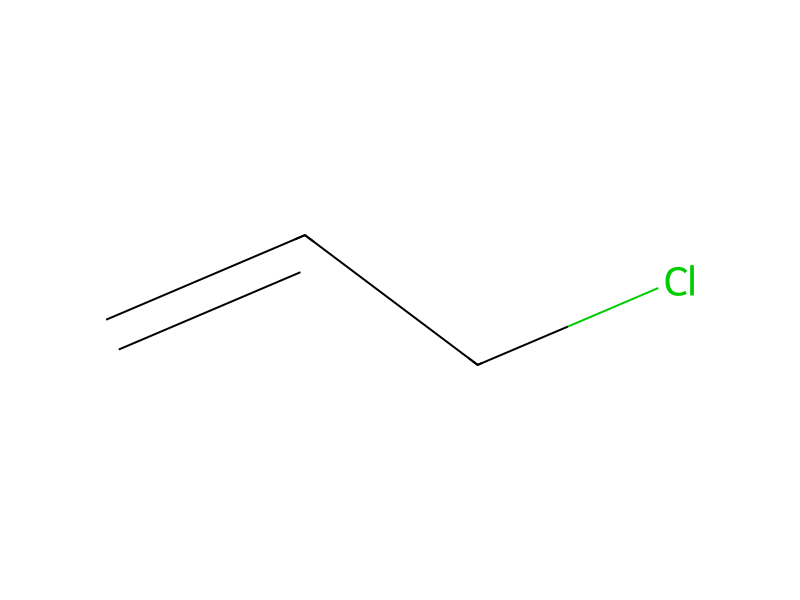
Product 1

Reagents, catalysts & solvents 1

Procedure
In J. Org. Chem., Vol. 39, No. 22, 1974 at page 3271, an article by Durst & Liebeskind entitled, "Phase Transfer Catalysis. The Acetoacetic Ester Condensation" indicates that reaction of allyl chloride with methyl acetoacetate gives rise to a 30% yield of 4-carbomethoxy-1-hexen-5-one and reaction of methyl acetoacetate with allyl bromide in the presence of an Aliquat 336® catalyst gives rise to a 94.7% yield of 4-carbomethoxy-1-hexen-5-one. The reaction is carried out however in the presence of anhydrous benzene which gives rise to the danger of causing minute traces of benzene to exist in the final desired product which is to be used for its organoleptic properties in perfumery. The potential presence of such solvent is unacceptable in the perfumery field.
Workup
- customgives rise
Sources & evidence
- ORD record
- ord-4e0e99d994964850bdcf7e4c1254d49e
- Source dataset
- uspto-grants-1981_01
- Patent number
- US04245122
Reaction notes
Loading…