Chloral → HCID 70575280, compound
Reaction equation

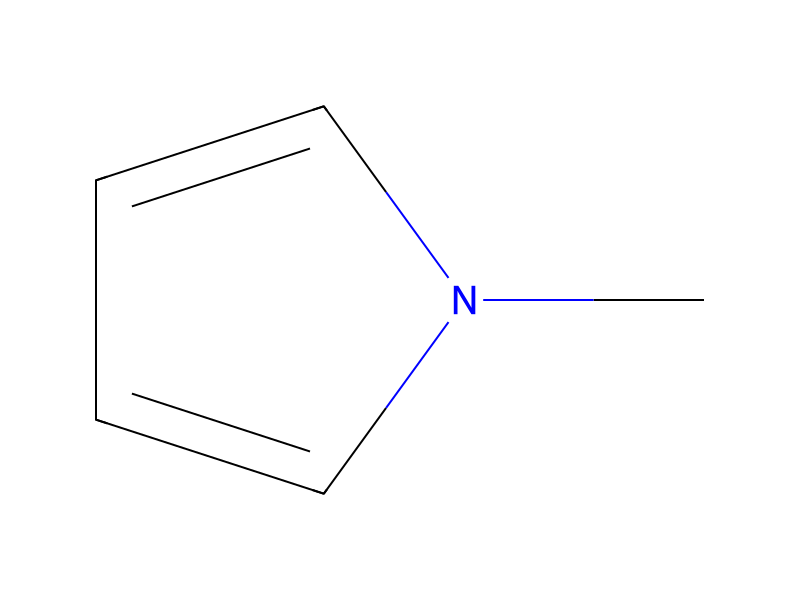
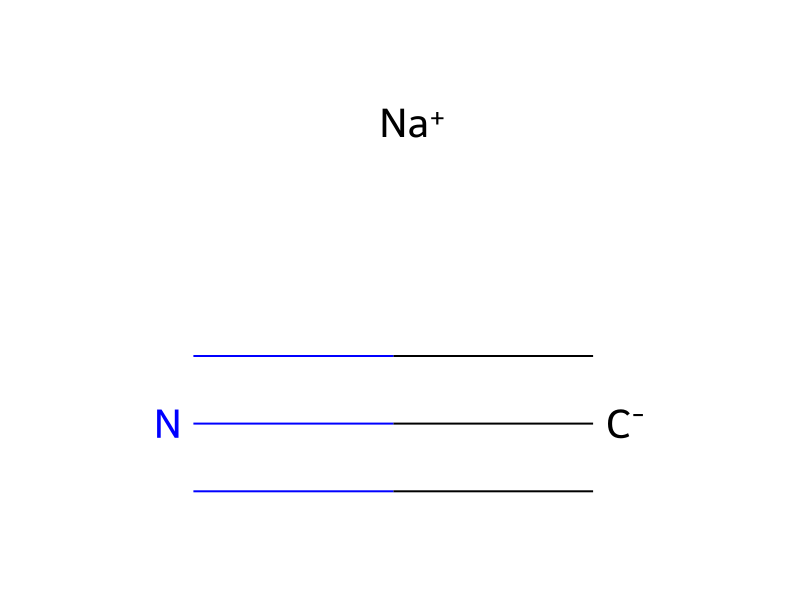
[CH3:1][N:2]1[CH:6]=[CH:5][CH:4]=[CH:3]1.[O:7]=[CH:8][C:9](Cl)(Cl)Cl.[CH3:13][N:14]1[CH:18]=[CH:17][CH:16]=[CH:15]1.[O:19]=[CH:20][C:21](Cl)(Cl)Cl.[C-]#N.[Na+].[OH-:28].[Ca+2:29].[OH-]>CO.O.C(O)(=O)C.C(Cl)Cl>[C:18]([C:6]1[N:2]([CH3:1])[C:3]([CH2:9][C:8]([O-:19])=[O:7])=[CH:4][CH:5]=1)#[N:14].[Ca+2:29].[C:6]([C:18]1[N:14]([CH3:13])[C:15]([CH2:21][C:20]([O-:28])=[O:19])=[CH:16][CH:17]=1)#[N:2]Participants
Reactant 5



Product 1

Reagents, catalysts & solvents 4




Conditions
- Temperature
- 47 °C
Procedure
To a 500 ml baffled glass reactor fitted with an agitator and a reflux condenser were charged 161.9 grams of methylene chloride, 39.6 grams of N-methylpyrrole, and 1.59 grams of glacial acetic acid. This mixture was agitated and heated to reflux temperature (about 47° C.), and over a five minute period 75.6 grams of chloral was added to the refluxing mixture on a uniform basis. The reaction mixture was refluxed for an additional five minutes. Thereupon, this reaction solution containing the N-methylpyrrole-chloral adduct was cooled to room temperature. Into a 3 liter, agitator-equipped, baffled glass reactor connected to a distillation condenser and a distillation receiver were charged 1200 grams of water, 38.0 grams of sodium cyanide, 951 grams of methanol and 72.3 grams of calcium hydroxide. This agitated mixture was then heated to 50° C. and the above N-methylpyrrole-chloral reaction solution was added over a 25 minute period. As the temperature of the reaction mixture was raised from 50° C. to 78° C., methylene chloride and methanol that distilled out of the reactor (218 grams total) was collected in the distillate receiver. Then, the condenser was rearranged on the apparatus to give total reflux and the reaction was continued at reflux for another two hours. After cooling the reaction product to room temperature, the solids (including calcium hydroxide and tars) were filtered off and the filtrate concentrated to 14 percent of its original weight by vacuum stripping at 20° to 65° C. The concentrate was left overnight in a refrigerator and the resulting crystalline product was filtered off and dried at 65° C. in a vacuum oven. The calcium 5-cyano-1-methylpyrrole-2-acetate was produced in an over-all yield for the two reaction steps of about 52 percent.
Workup
- customfitted with an agitator and a reflux condenser
- temperatureheated
- temperatureThe reaction mixture was refluxed for an additional five minutes
- temperaturewas cooled to room temperature
- customInto a 3 liter, agitator-equipped
- customconnected to a distillation condenser
- temperatureThis agitated mixture was then heated to 50° C.
- additionwas added over a 25 minute period
- temperatureAs the temperature of the reaction mixture was raised from 50° C. to 78° C.
- distillationmethylene chloride and methanol that distilled out of the reactor (218 grams total)
- distillationwas collected in the distillate receiver
- customto give total
- temperaturereflux
- temperatureat reflux for another two hours
- temperatureAfter cooling the reaction product to room temperature
- filtrationthe solids (including calcium hydroxide and tars) were filtered off
- concentrationthe filtrate concentrated to 14 percent of its original weight by vacuum stripping at 20° to 65° C
- filtrationthe resulting crystalline product was filtered off
- customdried at 65° C. in a vacuum oven
Sources & evidence
- ORD record
- ord-e339f82e9b084cc1adb39fb2176c398a
- Source dataset
- uspto-grants-1981_01
- Patent number
- US04246175
Reaction notes
Loading…