Water → HCID 21330921, compound
Reaction equation

Br[C:2]1[O:3][C:4]2[C:16]([CH3:17])=[CH:15][CH:14]=[CH:13][C:5]=2[C:6]=1C1C=CC=CC=1.[CH:18]1[CH2:23][CH2:22][CH:21](C(O)=O)[CH2:20][CH:19]=1.[N+:27]([O-:32])([N+]([O-])=O)=[O:28].O>C(O)(=O)C.C(OCC)C>[CH3:17][C:16]1[C:4]2[O:3][C:2]([N+:27]([O-:32])=[O:28])([C:18]3[CH:23]=[CH:22][CH:21]=[CH:20][CH:19]=3)[CH2:6][C:5]=2[CH:13]=[CH:14][CH:15]=1Participants
7






Procedure
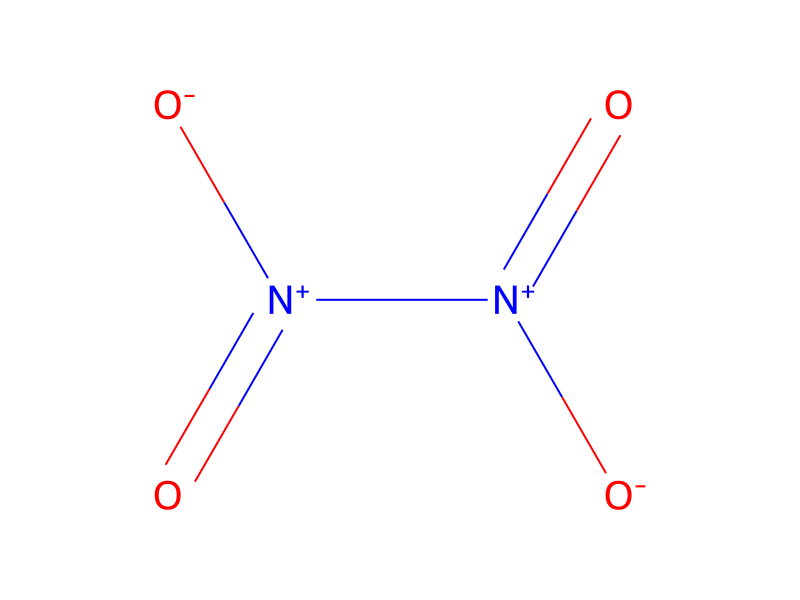
A solution of 82.7 g (0.288 mole) of 2-bromo-7-methyl-3-phenylbenzofuran and 18.1 g (0.144 mole) of cyclohexene-4-carboxylic acid in 500 ml of acetic acid is treated over about 30 minutes with 13.2 g (0.144 mole) of dinitrogen tetraoxide in 20 ml of acetic acid. After about two hours 21.8 g (0.173 mole) of cyclohexene-4-carboxylic acid and 15.9 g (0.173 mole) of dinitrogen tetroxide in 25 ml of acetic acid is added. After about 5 additional hours the reaction mixture is poured into cold water to give the crude product as a gum. Trituration with diethyl ether gives a solid which is recrystallized from cyclohexane and carbon tetrachloride to provide yellow solid 7-methyl-2-nitro-2-phenylbenzofuran, m.p. 122°-126° C.
Workup
- customto give the crude product as a gum
- customis recrystallized from cyclohexane and carbon tetrachloride
Sources & evidence
- ORD record
- ord-bde54f4bc6fd4a648307111e443f5477
- Source dataset
- uspto-grants-1979_02
- Patent number
- US04141990
Reaction notes
Loading…