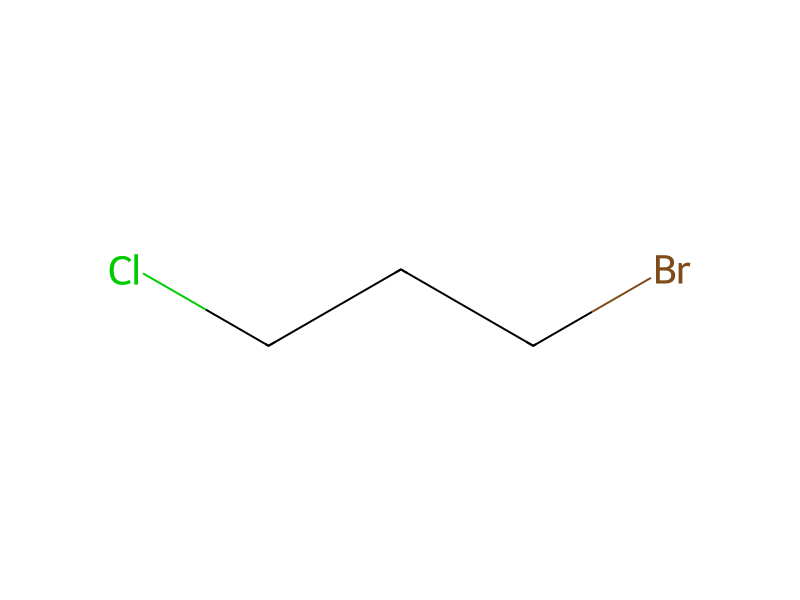
1-Bromo-3-chloropropane → HCID 18539271、化合物
HRID 1394317
反応式

[Cl:1][C:2]1[CH:3]=[C:4]([CH:8]=[CH:9][C:10]=1[Cl:11])[NH:5][CH:6]=[O:7].Br[CH2:13][CH2:14][CH2:15][Cl:16].C(=O)([O-])[O-].[Cs+].[Cs+]>CC(C)=O>[Cl:1][C:2]1[CH:3]=[C:4]([CH:8]=[CH:9][C:10]=1[Cl:11])[N:5]([CH2:13][CH2:14][CH2:15][Cl:16])[CH:6]=[O:7]参加物
5




実験手順
To the mixture of 3,4-dichloro-N-formylaniline (133.0 g, 700 mmol), 1-bromo-3-chloropropane (132.3 g, 840 mmol) and acetone (700 mL) was added cesium carbonate (273.7 g, 840 mmol), and the mixture was stirred for under reflux. The reaction mixture was concentrated under reduced pressure, and to the concentrate was added ethyl acetate (500 mL). The organic layer was washed with water (300 mL) and saturated sodium chloride solution (100 mL×3), successively, dried over magnesium sulfate and concentrated under reduced pressure. The concentrate was subjected to column chromatography (silica gel 500 g×2, hexane/ethyl acetate=1/0 to 9/1 to 4/1), and the desired fraction was concentrated under reduced pressure to give the titled compound (143.5 g, 538 mmol, Yield 77%) as pale yellow oily substance.