Acrylic Acid → 3-Chloropropene acrylic acid
Reaction equation

O.O.O.O.O.[Si]([O-])([O-])([O-])[O-].[Na+].[Na+].[Na+].[Na+].[Cl:15][CH2:16][CH:17]=[CH2:18].[C:19]([OH:23])(=[O:22])[CH:20]=[CH2:21]>>[C:19]([OH:23])(=[O:22])[CH:20]=[CH2:21].[Cl:15][CH2:16][CH:17]=[CH2:18]Participants
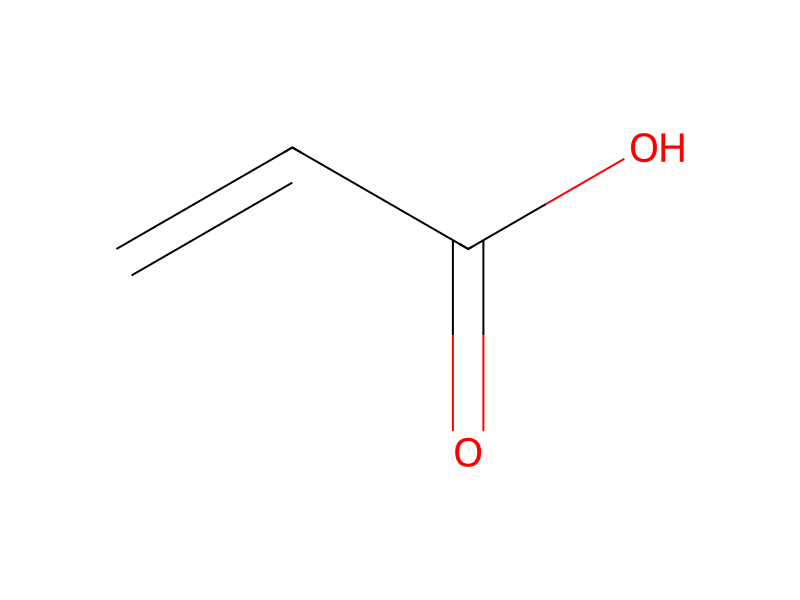
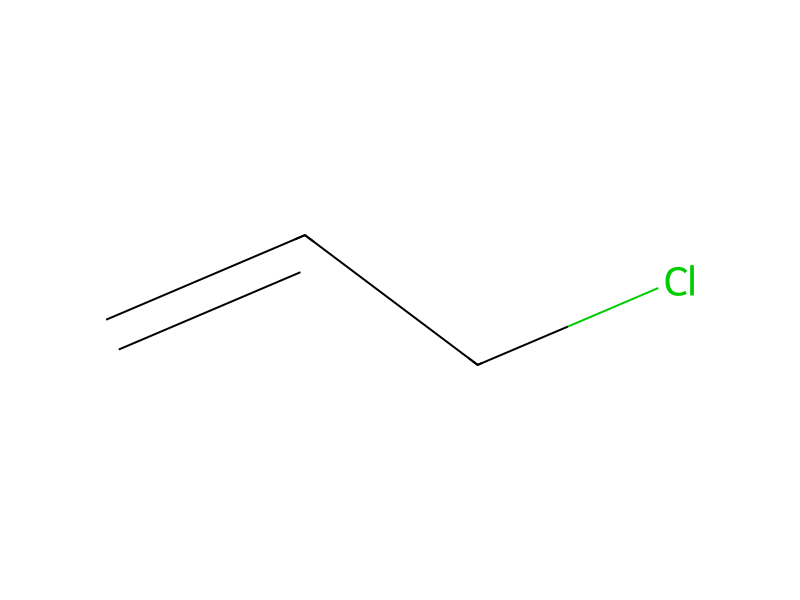


Procedure
About 1 part by weight of fine granular sodium silicate pentahydrate, 3 parts by weight of 3-chloropropene and 1 part by weight of acrylic acid are mixed then agitated at ambient temperature and pressure for 1 hour, thereby producing a poly (3-chloropropene acrylic acid) copolymer. The copolymer is soluble in 3-chloropropene and may be recovered by filteration. Water in the amount of 15 parts by weight are added then heated to just below the boiling point of the reactants for 20 to 60 minutes while agitating, then a dilute mineral acid, hydrochloric acid, is added until the pH is about 6 to 7, thereby coagulating the cream colored, elastic, poly (3-chloropropene allyl alcohol acrylic acid) copolymer. The copolymer may be extracted from the silicic acid by a solvent such as acetic acid and used as an adhesive.
Sources & evidence
- ORD record
- ord-bd001e23daf945ed83c9db8e1ddf5425
- Source dataset
- uspto-grants-1980_05
- Patent number
- US04201702
Reaction notes
Loading…