Carbon Dioxide → Isopropyl Acetate
Reaction equation

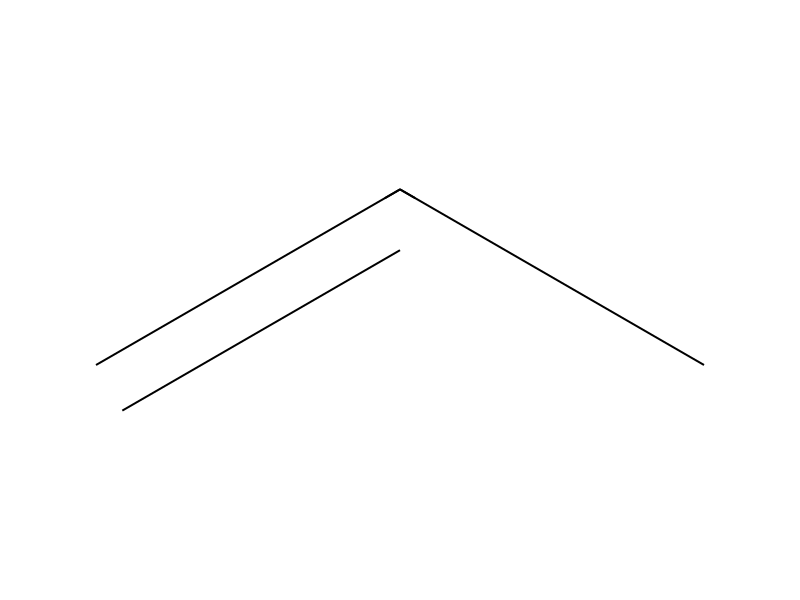
[CH2:1]=[CH:2][CH3:3].O=O.[C:6](=[O:8])=[O:7].[C:9]([O:12][CH2:13][CH:14]=[CH2:15])(=[O:11])[CH3:10]>C(O)(=O)C>[C:9]([O:12][CH2:13][CH:14]([O:7][C:6](=[O:8])[CH3:1])[CH3:15])(=[O:11])[CH3:10].[C:9]1(=[O:11])[O:12][CH:13]([CH3:1])[CH2:14][CH2:15]1.[C:9]([O:12][CH:2]([CH3:3])[CH3:1])(=[O:11])[CH3:10]Participants
Reactant 4



Product 3


Reagents, catalysts & solvents 1

Conditions
- Temperature
- 290 °C
Procedure
15.1 g of the catalyst prepared in EXAMPLE 1 was packed in a stainless steel reactor (2.5 cm×12 cm) provided with a thermocouple imbedded in the catalyst bed. The catalyst was heated at 290° C. A gaseous mixture consisting of, by volume, 72.4% propylene, 25.1% glacial acetic acid and 2.5% oxygen was passed through the heated catalyst at a pressure of 110 psig and a contact time of three seconds. The reactor effluent was passed through three traps connected in series; one cooled with ice water and two traps held at dry-ice temperature. The liquid condensates were combined and analyzed for esters and free acetic acid (by alkaline titration and gas chromatography). The vent gases were analyzed by gas chromatography for propylene, oxygen and carbon oxides. The analyses showed that allyl acetate was produced along with small amounts of 1,2-diacetoxypropane, γ-valerolactone and isopropyl acetate.
Workup
- custom(2.5 cm×12 cm) provided with a thermocouple
- customa contact time of three seconds
Sources & evidence
- ORD record
- ord-bd9a0555b28c4c43a8974feb3f1582ba
- Source dataset
- uspto-grants-1980_05
- Patent number
- US04205181
Reaction notes
Loading…