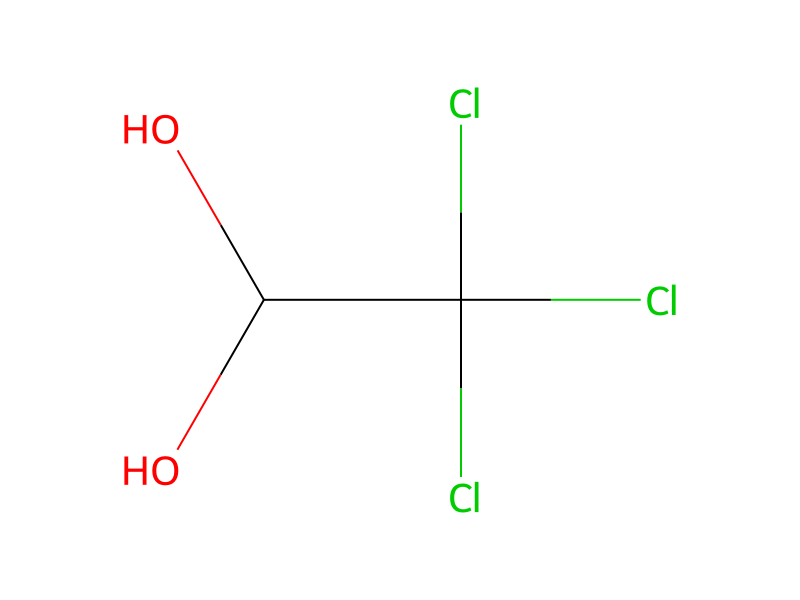
Chloral Hydrate → HCID 87289385, compound
Reaction equation

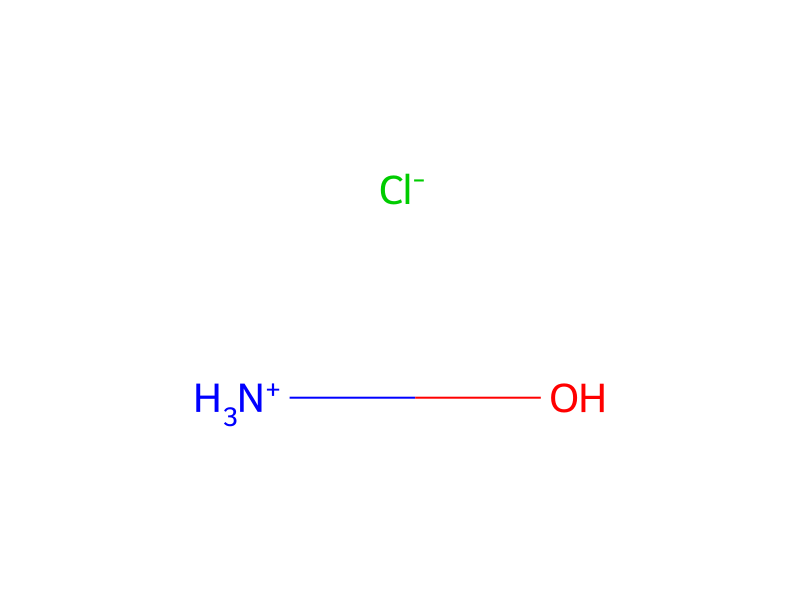
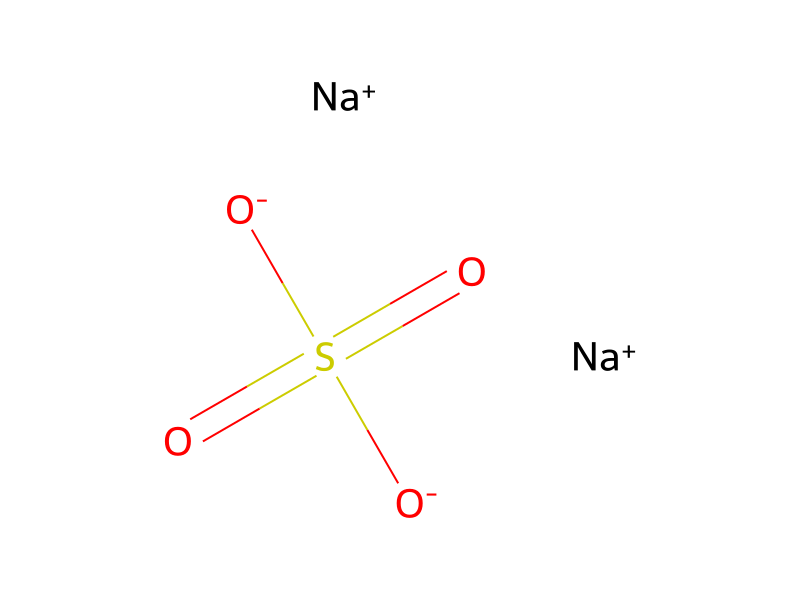
Cl[C:2](Cl)(Cl)[CH:3]([OH:5])O.[O-]S([O-])(=O)=O.[Na+].[Na+].Cl.[NH2:16][C:17]1[CH:22]=[CH:21][C:20]([C:23]([CH3:30])([CH3:29])[C:24]([O:26][CH2:27][CH3:28])=[O:25])=[CH:19][CH:18]=1.[Cl-].[OH:32][NH3+:33]>O>[OH:32]/[N:33]=[CH:2]/[C:3]([NH:16][C:17]1[CH:18]=[CH:19][C:20]([C:23]([CH3:29])([CH3:30])[C:24]([O:26][CH2:27][CH3:28])=[O:25])=[CH:21][CH:22]=1)=[O:5]Participants
Reactant 4

Product 1

Reagents, catalysts & solvents 1

Conditions
- Temperature
- 23 °C
Procedure
7.23 g of chloral hydrate are dissolved in 180 ml of water, 10.87 g of Na2SO4 are added, and the mixture is stirred at 23° C. for 10 min. A solution of 7.55 g of ethyl 2-(4-aminophenyl)-2-methylpropanoate hydrochloride in 50 ml of water is added to this solution. 8.86 g of hydroxylammonium chloride in 20 ml of water are added to the resultant suspension, and the mixture is stirred at 60° C. for 5 h. The mixture is subsequently allowed to cool, during which an orange oil deposits. This mixture is washed three times with 50 ml of dichloromethane each time, the combined organic phases are dried over sodium sulfate, filtered off and evaporated to dryness in vacuo. The mixture obtained is employed in the following reaction without further purification.
Workup
- stirringthe mixture is stirred at 60° C. for 5 h
- temperatureto cool, during which an orange oil deposits
- washThis mixture is washed three times with 50 ml of dichloromethane each time
- dry with materialthe combined organic phases are dried over sodium sulfate
- filtrationfiltered off
- customevaporated to dryness in vacuo
- customThe mixture obtained
- customis employed in the following reaction without further purification
Sources & evidence
- ORD record
- ord-869556f9de914046924b1a4980907f31
- Source dataset
- uspto-grants-2014_12
- Patent number
- US08906930B2
Reaction notes
Loading…