Potassium Phosphate, Tribasic → (2-{4,4-Dimethyl-9-oxo-1,10-diazatricyclo[6.4.0.02,6]dodeca-2(6),7-dien-10-yl}-4-(5-{[5-(2-methoxyethyl)-4H,5H,6H,7H-pyrazolo[1,5-a]pyrazin-2-yl]amino}-1-methyl-6-oxo-1,6-dihydropyridazin-3-yl)pyridin-3-yl)methyl Acetate
Reaction equation

Cl[C:2]1[CH:3]=[C:4]([NH:10][C:11]2[CH:23]=[C:14]3[CH2:15][N:16]([CH2:19][CH2:20][O:21][CH3:22])[CH2:17][CH2:18][N:13]3[N:12]=2)[C:5](=[O:9])[N:6]([CH3:8])[N:7]=1.[C:24]([O:27][CH2:28][C:29]1[C:30]([N:44]2[CH2:55][CH2:54][N:53]3[C:46](=[CH:47][C:48]4[CH2:49][C:50]([CH3:57])([CH3:56])[CH2:51][C:52]=43)[C:45]2=[O:58])=[N:31][CH:32]=[CH:33][C:34]=1B1OC(C)(C)C(C)(C)O1)(=[O:26])[CH3:25].[O-]P([O-])([O-])=O.[K+].[K+].[K+].C([O-])(=O)C.[Na+]>C1C=CC(P(C2C=CC=CC=2)[C-]2C=CC=C2)=CC=1.C1C=CC(P(C2C=CC=CC=2)[C-]2C=CC=C2)=CC=1.Cl[Pd]Cl.[Fe+2].C(#N)C.O>[C:24]([O:27][CH2:28][C:29]1[C:30]([N:44]2[CH2:55][CH2:54][N:53]3[C:46](=[CH:47][C:48]4[CH2:49][C:50]([CH3:57])([CH3:56])[CH2:51][C:52]=43)[C:45]2=[O:58])=[N:31][CH:32]=[CH:33][C:34]=1[C:2]1[CH:3]=[C:4]([NH:10][C:11]2[CH:23]=[C:14]3[CH2:15][N:16]([CH2:19][CH2:20][O:21][CH3:22])[CH2:17][CH2:18][N:13]3[N:12]=2)[C:5](=[O:9])[N:6]([CH3:8])[N:7]=1)(=[O:26])[CH3:25]Participants
Reactant 4
 HCID 62657Potassium Phosphate, Tribasic
 HCID 517045Sodium Acetate
 HCID 86684419(2-(7,7-dimethyl-1-oxo-3,4,7,8-tetrahydro-1H-cyclopenta[4,5]pyrrolo[1,2-a]pyrazin-2(6H)-yl)-4-(4,4,5,5-tetramethyl-1,3,2-dioxaborolan-2-yl)pyridin-3-yl)methyl acetate
 HCID 866845536-Chloro-4-(5-(2-methoxyethyl)-4,5,6,7-tetrahydropyrazolo[1,5-a]pyrazin-2-ylamino)-2-methylpyridazin-3(2H)-one
Product 1

Reagents, catalysts & solvents 2

Conditions
- Temperature
- 100 °C
Procedure
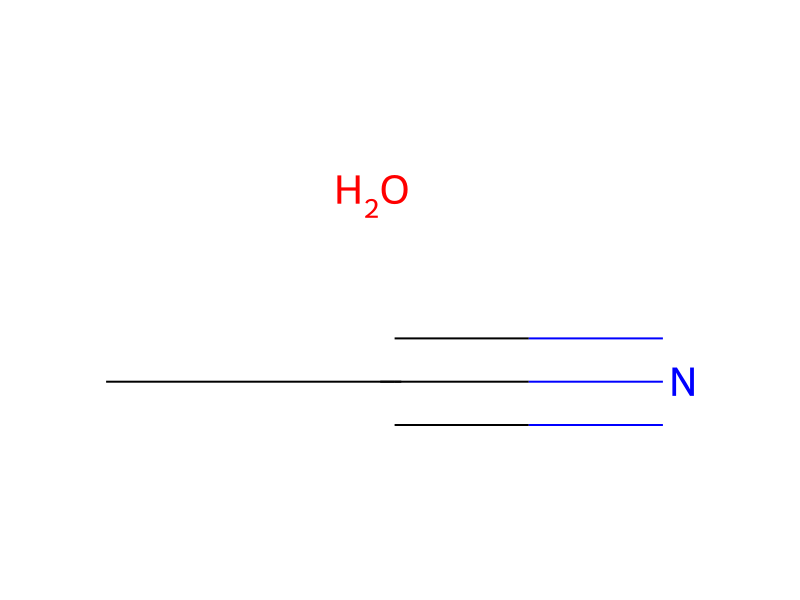
A 25-mL round-bottomed flask equipped with a reflux condenser was charged with 305a (200 mg, 0.60 mmol), {3-[(acetoxy)methyl]-2-{4,4-dimethyl-9-oxo-1,10-diazatricyclo[6.4.0.02,6]dodeca-2(6),7-dien-10-yl}pyridin-4-yl}boronic acid 199e (238 mg, 0.60 mmol), K3PO4 (254 mg, 1.2 mmol), sodium acetate (98 mg, 1.2 mmol) and Pd(dppf)Cl2 (22 mg, 0.030 mmol), and acetonitrile/water (8/0.5 mL). The system was subjected to three cycles of vacuum/nitrogen flush and heated at 100° C. under N2 protection for 1 h. Analysis of the reaction mixture by LCMS showed complete conversion to the desired product. The reaction mixture was cooled to room temperature and filtered. The filtrate was concentrated under reduced pressure. The residue was partitioned between dichloromethane (30 mL) and water (20 mL). The water layer was extracted with dichloromethane (2×30 mL). The combined organic extract was dried over Na2SO4, filtered, and concentrated under reduced pressure. The dark residue was purified by silica-gel column chromatography eluting with dichloromethane/methanol (80/1 to 30/1) to afford 305b (169 mg, 43%) as a yellow solid. MS-ESI: [M+H]+ 655.9
Workup
- customA 25-mL round-bottomed flask equipped with a reflux condenser
- customflush
- temperatureThe reaction mixture was cooled to room temperature
- filtrationfiltered
- concentrationThe filtrate was concentrated under reduced pressure
- customThe residue was partitioned between dichloromethane (30 mL) and water (20 mL)
- extractionThe water layer was extracted with dichloromethane (2×30 mL)
- extractionThe combined organic extract
- dry with materialwas dried over Na2SO4
- filtrationfiltered
- concentrationconcentrated under reduced pressure
- customThe dark residue was purified by silica-gel column chromatography
- washeluting with dichloromethane/methanol (80/1 to 30/1)
Sources & evidence
- ORD record
- ord-ca3d12d47a8e4430871d1c1138a339da
- Source dataset
- uspto-grants-2014_12
- Patent number
- US08921353B2
Reaction notes
Loading…