Ethanol → Bisphenol A
Reaction equation

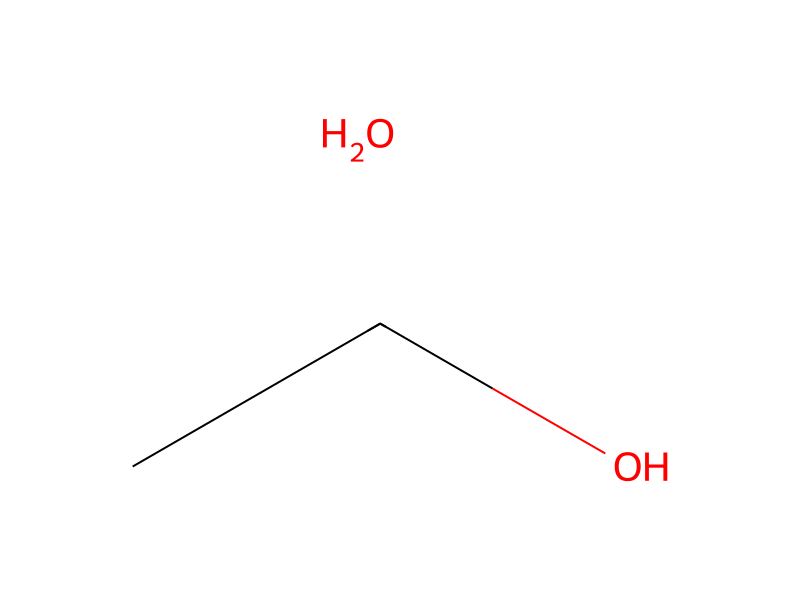
[OH:1][C:2]1[CH:7]=[CH:6][C:5]([C:8]([C:11]2[CH:16]=[CH:15][C:14]([OH:17])=[CH:13][CH:12]=2)([CH3:10])[CH3:9])=[CH:4][CH:3]=1.C(O)C.[CH3:21][N:22]([CH3:27])[CH2:23][CH2:24][CH2:25]N.C(N)([NH2:31])CC>C(O)C.O>[CH3:21][N:22]([CH3:27])[CH:23]([NH2:31])[CH2:24][CH3:25].[OH:1][C:2]1[CH:3]=[CH:4][C:5]([C:8]([C:11]2[CH:12]=[CH:13][C:14]([OH:17])=[CH:15][CH:16]=2)([CH3:10])[CH3:9])=[CH:6][CH:7]=1Participants
Reactant 4


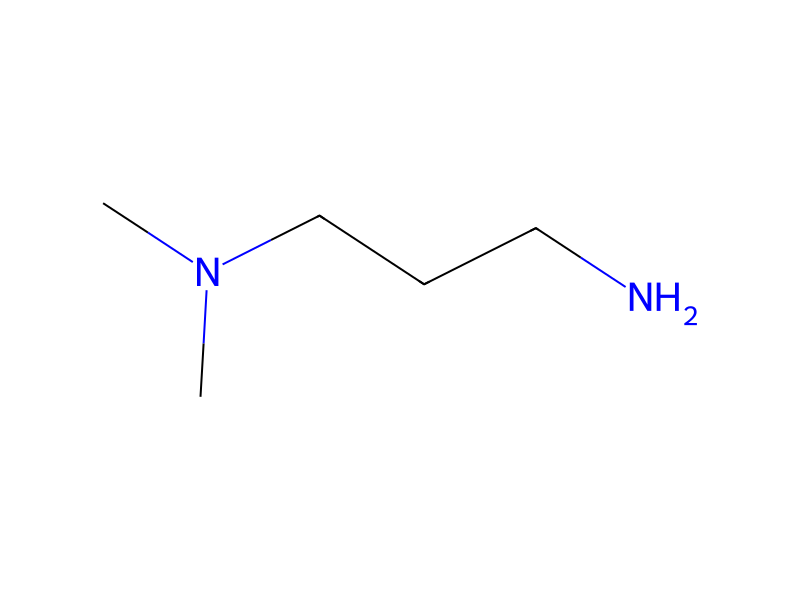

Product 2

Reagents, catalysts & solvents 1
Procedure
A 0.05 mole sample of bis-phenol A was dissolved in an ethanol-water solution containing 95% ethanol. This solution then was added dropwise to a 0.05 mole fraction of N,N-dimethyl-1,3-propanediamine sample dispersed in 50 milliliters of an ethanol-water solution containing 95% ethanol. The addition of the bis-phenol A fraction to the propanediamine sample was at room temperature (70° F.) over a 15 minute period. There was a slight exotherm during the addition. After all the bis-phenol A was added, the solution was stirred for an hour and then the solvent flashed using a rotary vacuum distillation apparatus. The residual solids were transferred to a vacuum oven to dry, and a N,N-dimethylpropanediamine salt of bis-phenol A was obtained.
Workup
- customwas at room temperature
- custom(70° F.)
- customover a 15 minute
- additionduring the addition
- distillationa rotary vacuum distillation apparatus
- customto dry
Sources & evidence
- ORD record
- ord-658c1f9f59a64f80b56791fc6585e1e4
- Source dataset
- uspto-grants-1981_02
- Patent number
- US04250293
Reaction notes
Loading…