Tert-Butylamine → 3-Methyl-5-[2-(2-hydroxy-3-tert.-butylaminopropoxy)-styryl]-isoxazole hydrochloride
Reaction equation

[CH3:1][C:2]1[CH:6]=[C:5]([CH:7]=[CH:8][C:9]2[CH:14]=[CH:13][CH:12]=[CH:11][C:10]=2[O:15][CH2:16][CH:17]([OH:20])[CH2:18][Cl:19])[O:4][N:3]=1.[C:21]([NH2:25])([CH3:24])([CH3:23])[CH3:22]>O1CCOCC1>[ClH:19].[CH3:1][C:2]1[CH:6]=[C:5]([CH:7]=[CH:8][C:9]2[CH:14]=[CH:13][CH:12]=[CH:11][C:10]=2[O:15][CH2:16][CH:17]([OH:20])[CH2:18][NH:25][C:21]([CH3:24])([CH3:23])[CH3:22])[O:4][N:3]=1Participants
4
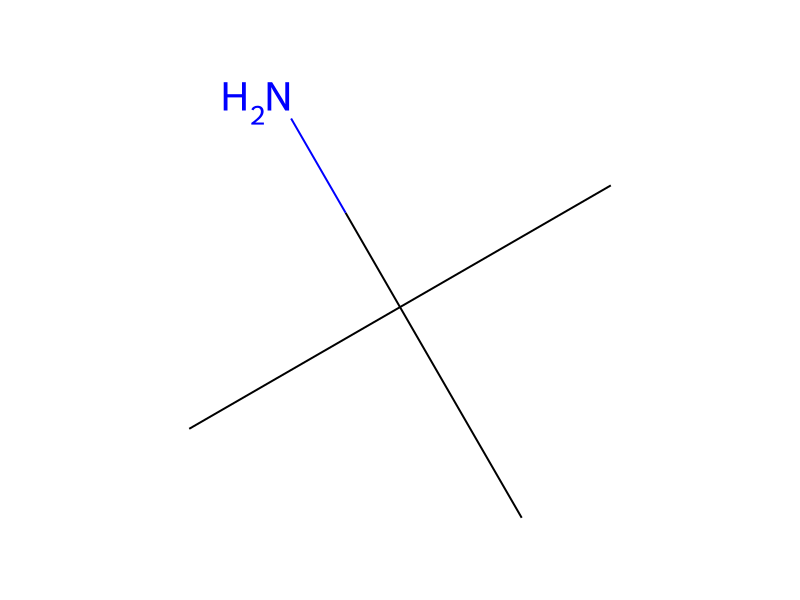



Procedure
2.4 g of 3-methyl-5-[2-(2-hydroxy-3-chloropropoxy)-styryl]-isoxazole, 10 ml of tert.-butylamine and 50 ml of dioxane are heated for 10 hours at 100° C. in an autoclave. After distilling off the volatile constituents under reduced pressure, the very viscous crude product is partitioned between ether and 2 N sulfuric acid and the aqueous phase is cautiously rendered alkaline with 4 N sodium hydroxide solution and is finally extracted with ether. After drying the organic phase over sodium sulfate, the solvent is removed and the residue left is converted to 3-methyl-5-[2-(2-hydroxy-3-tert.-butylaminopropoxy)-styryl]-isoxazole hydrochloride, of melting point 216°-218° C., by the method described in Example 3.
Workup
- distillationAfter distilling off the volatile constituents under reduced pressure
- customthe very viscous crude product is partitioned between ether and 2 N sulfuric acid
- extractionis finally extracted with ether
- dry with materialAfter drying the organic phase over sodium sulfate
- customthe solvent is removed
- waitthe residue left
Sources & evidence
- ORD record
- ord-25d5c6952e654cf68c6e50e324e2234c
- Source dataset
- uspto-grants-1981_02
- Patent number
- US04251539
Reaction notes
Loading…