Potassium Hydroxide → HCID 53977809, compound
Reaction equation

[CH:1]1([CH2:4][CH2:5][CH2:6][O:7][C:8]2[CH:13]=[CH:12][C:11]([OH:14])=[CH:10][CH:9]=2)[CH2:3][CH2:2]1.[OH-].[K+].[CH2:17]([CH:19]1[O:21][CH2:20]1)Br>O>[CH:1]1([CH2:4][CH2:5][CH2:6][O:7][C:8]2[CH:13]=[CH:12][C:11]([O:14][CH2:17][CH:19]3[O:21][CH2:20]3)=[CH:10][CH:9]=2)[CH2:3][CH2:2]1Participants
5
Reactant 3

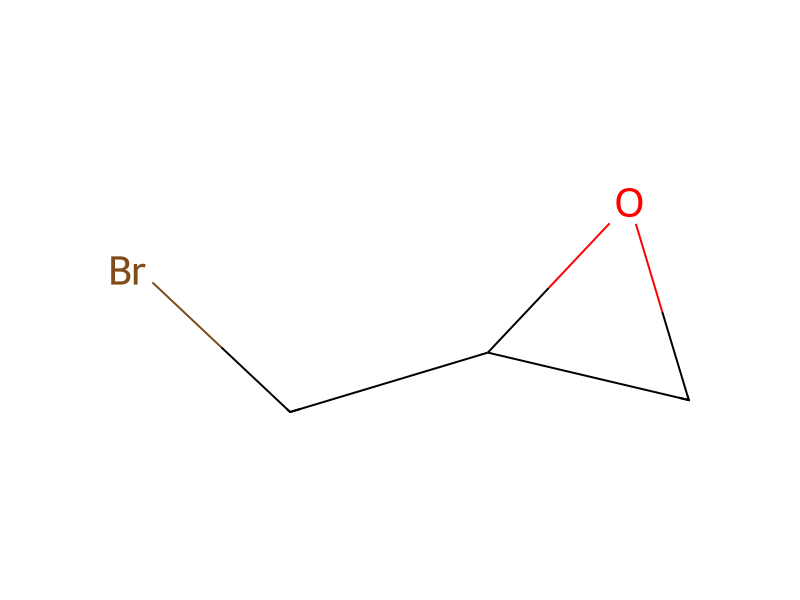

Product 1

Reagents, catalysts & solvents 1

Procedure
A mixture of 9 g of 4-cyclopropylpropoxy-phenol, 150 ml of water, 3 g of KOH and 7.7 g of epibromohydrin is stirred for 15 hours at ambient temperature. The reaction mixture is extracted with ether and the extract is washed with N NaOH and then with water. The ether is evaporated and the excess epibromohydrin is removed by entrainment with xylene (distillation at 15 mm Hg). 1-(4-Cyclopropylpropoxy-phenoxy)-2,3-epoxy-propane is obtained in a yield of 100%.
Workup
- extractionThe reaction mixture is extracted with ether
- washthe extract is washed with N NaOH
- customThe ether is evaporated
- customthe excess epibromohydrin is removed by entrainment with xylene (distillation at 15 mm Hg)
Sources & evidence
- ORD record
- ord-0fb487186dca484abcd2edcfbeed596a
- Source dataset
- uspto-grants-1981_02
- Patent number
- US04252984
Reaction notes
Loading…