Pyridine → HCID 67600187, compound
Reaction equation

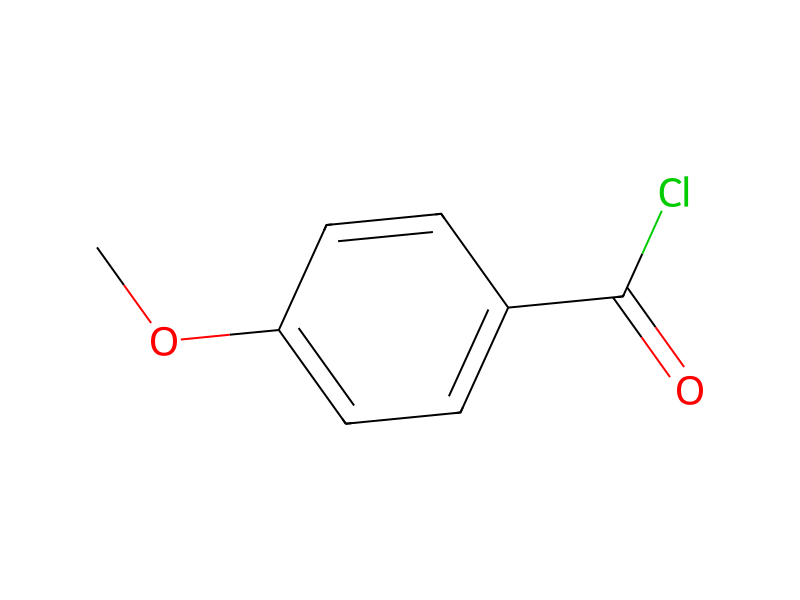
[N:1]1([C:6]2[CH:17]=[CH:16][C:9]([O:10][CH2:11][CH2:12][CH2:13][CH2:14][NH2:15])=[CH:8][CH:7]=2)[CH:5]=[CH:4][N:3]=[CH:2]1.N1C=CC=CC=1.[CH3:24][O:25][C:26]1[CH:34]=[CH:33][C:29]([C:30](Cl)=[O:31])=[CH:28][CH:27]=1>ClCCl>[CH3:24][O:25][C:26]1[CH:34]=[CH:33][C:29]([C:30]([NH:15][CH2:14][CH2:13][CH2:12][CH2:11][O:10][C:9]2[CH:16]=[CH:17][C:6]([N:1]3[CH:5]=[CH:4][N:3]=[CH:2]3)=[CH:7][CH:8]=2)=[O:31])=[CH:28][CH:27]=1Participants
Reactant 3


Product 1

Reagents, catalysts & solvents 1

Conditions
- Temperature
- -10 °C
Procedure
A solution of 2.3 g of 4-[4-(1H-imidazol-1-yl)phenoxy]butaneamine (Example 2) in 50 ml of dichloromethane containing 2 ml of pyridine is treated with 2.0 g of 4-methoxybenzoyl chloride. The reaction mixture is allowed to stand at room temperature for 18 hours, and is then heated at reflux for one hour. The volatiles are removed in vacuo. The residue is partitioned between 100 ml of dichloromethane and 100 ml of water. The dichloromethane layer is dried over Na2SO4, and then heated to gentle boiling. Hexane is then added to turbidity and the mixture cooled at -10° C. A tacky precipitate results and crystals develop in the supernatant solvent. These are collected, washed with hexane, and dried in vacuo at room temperature; m.p. 125°-126° C.; yield, 0.4 g.
Workup
- temperatureis then heated
- temperatureat reflux for one hour
- customThe volatiles are removed in vacuo
- customThe residue is partitioned between 100 ml of dichloromethane and 100 ml of water
- dry with materialThe dichloromethane layer is dried over Na2SO4
- temperatureheated to gentle boiling
- additionHexane is then added to turbidity
- customA tacky precipitate results
- customThese are collected
- washwashed with hexane
- customdried in vacuo at room temperature
- customyield
Sources & evidence
- ORD record
- ord-9b4a9f8b3f7443d8a06676047733f240
- Source dataset
- uspto-grants-1999_03
- Patent number
- US05877196
Reaction notes
Loading…