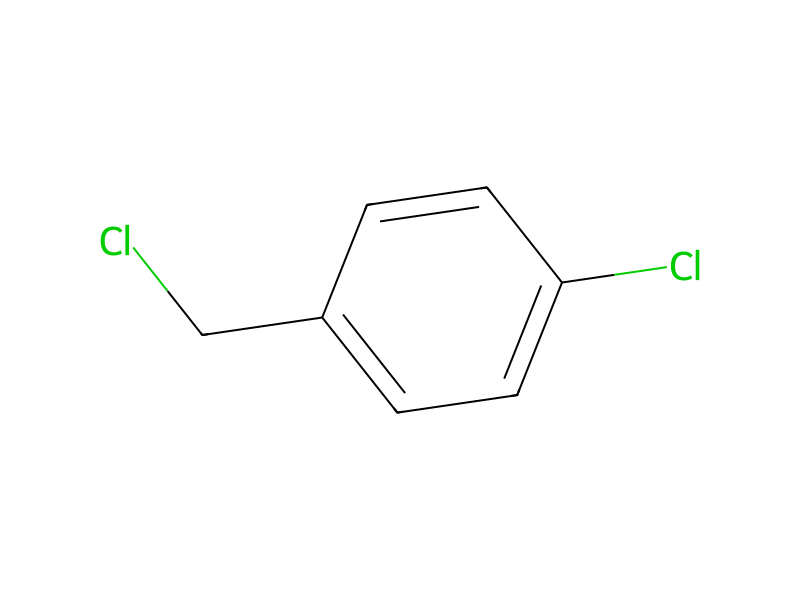
1-Chloro-4-(chloromethyl)benzene → tert-Butyl [9-(4-Chlorobenzyl)-4-methyl-1-methylthiocarbazol-2-yl]acetate
Reaction equation

[CH3:1][C:2]1[C:14]2[C:13]3[C:8](=[CH:9][CH:10]=[CH:11][CH:12]=3)[NH:7][C:6]=2[C:5]([S:15][CH3:16])=[C:4]([CH2:17][C:18]([O:20][C:21]([CH3:24])([CH3:23])[CH3:22])=[O:19])[CH:3]=1.[Cl:25][C:26]1[CH:33]=[CH:32][C:29]([CH2:30]Cl)=[CH:28][CH:27]=1>>[Cl:25][C:26]1[CH:33]=[CH:32][C:29]([CH2:30][N:7]2[C:6]3[C:5]([S:15][CH3:16])=[C:4]([CH2:17][C:18]([O:20][C:21]([CH3:24])([CH3:23])[CH3:22])=[O:19])[CH:3]=[C:2]([CH3:1])[C:14]=3[C:13]3[C:8]2=[CH:9][CH:10]=[CH:11][CH:12]=3)=[CH:28][CH:27]=1Participants
3


Procedure
Following a procedure and using relative proportions of starting materials similar to those described in Example 4, but using tert-butyl (4-methyl-1-methylthiocarbazol-2-yl)acetate and 4-chlorobenzyl chloride as starting materials, the title compound was obtained in a yield of 92% as an oil.
Sources & evidence
- ORD record
- ord-06237f21fe21418b827d49bea011b391
- Source dataset
- uspto-grants-1999_03
- Patent number
- US05877199
Reaction notes
Loading…