Water → HCID 12363892, compound
Reaction equation

C1(C(C2[C:14]([CH2:15][O:16][CH2:17][C:18]3[C:23](C4C(=CC=C(O)C=4)O)=[CH:22][CH:21]=[CH:20][CH:19]=3)=[CH:13][CH:12]=[CH:11][CH:10]=2)=CC(=CC=1)O)O.[CH2:32]([C@H:34]1[O:36][CH2:35]1)Cl.[OH2:37]>[Cl-].C[N+](C)(C)C.C(Cl)Cl>[C:18]1([CH2:17][O:16][C:15]2[CH:10]=[CH:11][C:12]([O:37][CH2:32][C@H:34]3[CH2:35][O:36]3)=[CH:13][CH:14]=2)[CH:19]=[CH:20][CH:21]=[CH:22][CH:23]=1Participants
6
Reactant 3



Product 1

Reagents, catalysts & solvents 2

Procedure
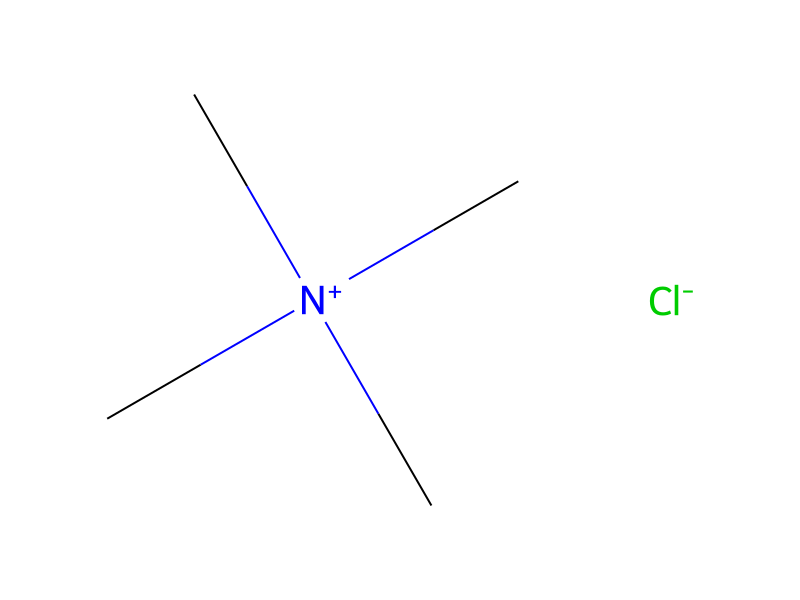
A mixture of hydroquinone monobenzylether (1.7 g, 8.5 mmol) and tetramethylammoniumchloride (0.19 g, 1.7 mmol) in (S)-epichlorohydrine (2.0 ml, 25.5 mmol) was stirred at room temperature for 4 days. H2O (30 ml) and CH2Cl2 (50 ml) were added and the organic phase was separated. The water phase was extracted two times with CH2Cl2. The organic phases were then pooled, dried with Na2SO4 and the solvent evaporated. The residue was chromatographed over silica gel (hexane-Et2O, 3:1) to give (R)-{[4-(Phenylmethoxy)phenoxy]methyl}-oxirane (1.1 g, 50%) as a colorless solid, m.p. 70°-73° C., [α]D20 =-8.1° (c=1.0, methanol) and MS: m/e=256 (M+).
Workup
- customthe organic phase was separated
- extractionThe water phase was extracted two times with CH2Cl2
- dry with materialdried with Na2SO4
- customthe solvent evaporated
- customThe residue was chromatographed over silica gel (hexane-Et2O, 3:1)
Sources & evidence
- ORD record
- ord-2ae13c4ea2274754b1831af9c57380ef
- Source dataset
- uspto-grants-1999_03
- Patent number
- US05889026
Reaction notes
Loading…