Sodium Carbonate → HCID 9798625, compound
Reaction equation

C(=O)([O-])[O-].[Na+].[Na+].[NH2:7][CH:8]([C:13]1[CH:18]=[CH:17][C:16]([O:19][CH2:20][CH2:21][CH3:22])=[CH:15][CH:14]=1)[CH2:9][C:10]([OH:12])=[O:11].C(N1[C:32](=[O:33])[C:31]2=[CH:34][CH:35]=[CH:36][CH:37]=[C:30]2[C:29]1=[O:38])(OCC)=O>O.C(#N)C>[C:29]1(=[O:38])[N:7]([CH:8]([C:13]2[CH:14]=[CH:15][C:16]([O:19][CH2:20][CH2:21][CH3:22])=[CH:17][CH:18]=2)[CH2:9][C:10]([OH:12])=[O:11])[C:32](=[O:33])[C:31]2=[CH:34][CH:35]=[CH:36][CH:37]=[C:30]12Participants
Reactant 3



Product 1

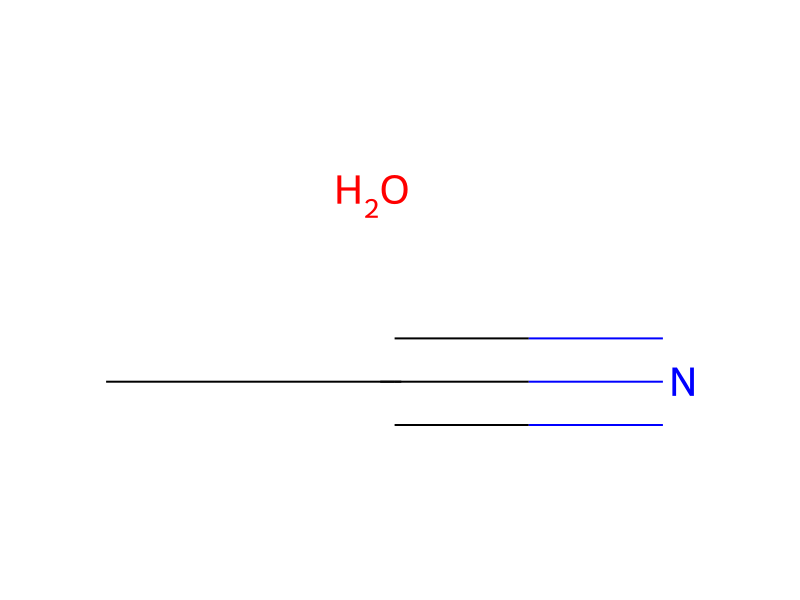
Reagents, catalysts & solvents 1
Conditions
- Temperature
- 35 °C
Procedure
To a stirred solution of sodium carbonate (1.45 g, 13.7 mmol) in 500 mL of water-acetonitrile (1:1, v/v) was added 3-amino-3-(4-propoxyphenyl)propionic acid (3.05 g, 13.7 mmol) as a solid. The mixture was warmed to 30-40° C. to dissolve the solids. The reaction mixture was allowed to cool to room temperature and N-carboethoxyphthalimide (3.00 g, 13.7 mmol) was added and the reaction mixture was stirred for one hour at room temperature. The reaction mixture was then partially concentrated to remove the acetonitrile and the pH of the resulting solution was adjusted to approximately 3 with 4N hydrochloric acid. The resulting slurry was stirred overnight and then filtered and the solid was washed with copious amounts of water. The solid was dried in vacuo (60° C.,<1 mm) to afford 3.64 g (75%) of 3-phthalimido-3-(4-propoxyphenyl)propionic acid as a white powder: mp 142.5-143.6° C., 1H NMR(DMSO-d6, 250 MHz)δ 12.43 (br s, 1H), 7.80-7.95 (m, 4H), 7.34 (d, 2H, J=9 Hz), 6.89 (d, 2H, J=9 Hz), 5.63 (overlapping dd, 1H), 3.88 (t, 2H, J=7 Hz), 3.45 (dd, 1H, J1=9 Hz, J2=16.5 Hz), 3.30 (dd, 1H, J1=7 Hz, J2=16.5 Hz), 1.60-1.85 (m, 2H), 0.95 (t, 3H, J=7 Hz); 13C (DMSO-d6)δ 171.8, 167.6, 158.6, 134.7, 131.1, 130.8, 128.3, 123.2, 114.4, 68.9, 49.7, 36.0, 22.0, 10.3; Anal. Calcd. for C20H19NO5. Theoretical: C, 67.98; H, 5.42; N, 3.96. Found: C, 67.90; H, 5.40; N, 4.00.
Workup
- dissolutionto dissolve the solids
- temperatureto cool to room temperature
- concentrationThe reaction mixture was then partially concentrated
- customto remove the acetonitrile
- stirringThe resulting slurry was stirred overnight
- filtrationfiltered
- washthe solid was washed with copious amounts of water
- customThe solid was dried in vacuo (60° C.,<1 mm)
Sources & evidence
- ORD record
- ord-7e5f1811785f46d0b63ed0a0e815e803
- Source dataset
- uspto-grants-2000_06
- Patent number
- US06075041
Reaction notes
Loading…