3,4-Difluorobenzaldehyde → HCID 178526788, compound
Reaction equation

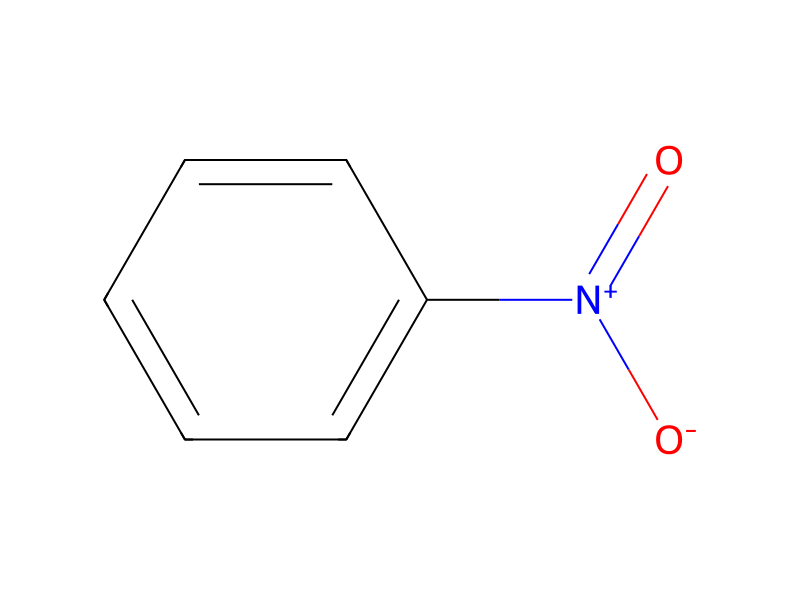
[NH2:1][C:2]1[C:7]([NH2:8])=[CH:6][C:5]([N+:9]([O-:11])=[O:10])=[CH:4][N:3]=1.[F:12][C:13]1[CH:14]=[C:15]([CH:18]=[CH:19][C:20]=1[F:21])[CH:16]=O>[N+](C1C=CC=CC=1)([O-])=O>[F:12][C:13]1[CH:14]=[C:15]([C:16]2[NH:1][C:2]3=[N:3][CH:4]=[C:5]([N+:9]([O-:11])=[O:10])[CH:6]=[C:7]3[N:8]=2)[CH:18]=[CH:19][C:20]=1[F:21]Participants
4
Reactant 2


Product 1

Reagents, catalysts & solvents 1
Procedure
1.00 g 2,3-diamino-5-nitro-pyridine and 0.95 g 3,4-difluorobenzaldehyde were stirred in 60 ml nitrobenzene at 160 C for 26 hrs. The solvent was removed under vacuum and the residue dissolved in 40 ml pyridine at 60 C. The solution was cooled in an ice bath. Precipitated product was isolated by filtration and dried to yield 0.5 g of the title product.
Workup
- customThe solvent was removed under vacuum
- dissolutionthe residue dissolved in 40 ml pyridine at 60 C
- temperatureThe solution was cooled in an ice bath
- customPrecipitated product was isolated by filtration
- customdried
Sources & evidence
- ORD record
- ord-60eac8599e17403eb7aec7a750de281b
- Source dataset
- uspto-grants-2009_11
- Patent number
- US07618964B2
Reaction notes
Loading…