Tryptophol → 6-Benzyloxy-1,1-dimethyl-1,3,4,9-tetrahydropyrano[3,4-b]indole
Reaction equation

[CH:1]1C=CC2NC=C(CCO)C=2C=1.[Li].[H-].[CH2:15]([O:22][C:23]1[CH:24]=[C:25]2[C:29](=[CH:30][CH:31]=1)[NH:28][CH:27]=[C:26]2[C:32](=O)[C:33]([O:35][CH2:36][CH3:37])=O)[C:16]1[CH:21]=[CH:20][CH:19]=[CH:18][CH:17]=1>CC(C)=O>[CH2:15]([O:22][C:23]1[CH:24]=[C:25]2[C:29](=[CH:30][CH:31]=1)[NH:28][C:27]1[C:36]([CH3:37])([CH3:1])[O:35][CH2:33][CH2:32][C:26]2=1)[C:16]1[CH:21]=[CH:20][CH:19]=[CH:18][CH:17]=1Participants

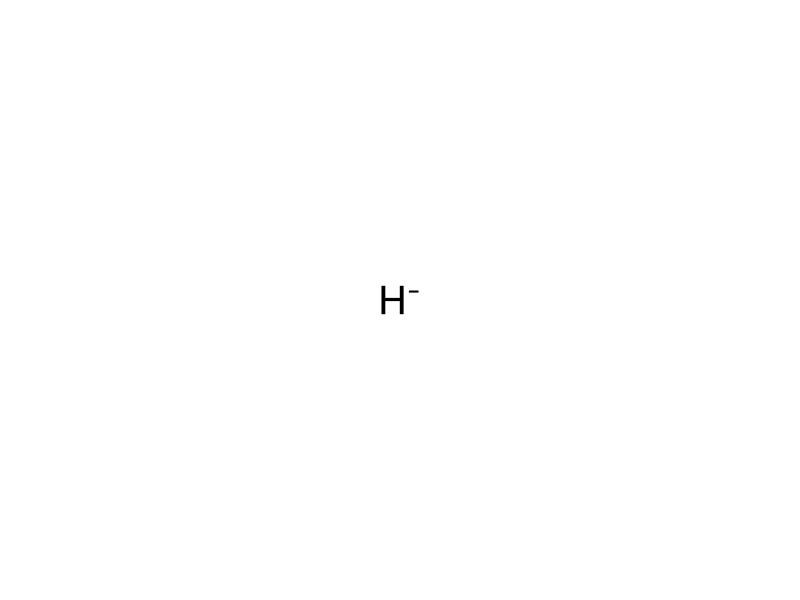

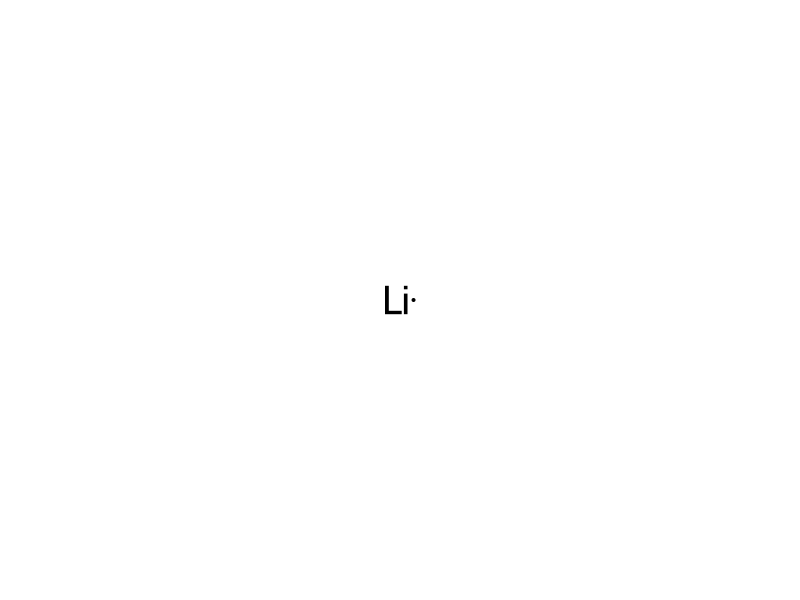


Procedure
5-Benzyloxy-3-tryptophol (II; R2, R3, R4 and R5 = H, R6 = 5-benzyloxy and X1 = OH), m.p. 93° - 95° C., is prepared by lithium aluinum hydride reduction of ethyl 5-benzyloxy-3-indoleglyoxalate (British Patent 778,823) according to the procedure of Example 309. Subsequent treatment of 5-benzyloxy-3-tryptophol with the ketone, acetone, according to the procedure of Example 785 affords 6-benzyloxy-1,1-dimethyl-1,3,4,9-tetrahydropyrano[3,4-b]indole (VIIl R1M CH3), nmr (CDCl3) δ1.53 (6H), 2.73 (t, 2H), 4.03 (t, 2H), 5.10 (2H), 6.67 - 7.83 (9H). The latter compound is then N-alkylated with the organic halide, dimethylaminoethyl chloride, according to the procedure of Example 838 to afford 6-benzyloxy-1,1-dimethyl-9-[2-(dimethylamino)ethyl]-1,3,4,9-tetrahydropyrano[3,4-b]indole, which on treatment with hydrochloric acid gives the corresponding hydrochloric acid addition salt thereof, m.p. 209° C.
Sources & evidence
- ORD record
- ord-d2d6245169334e0d8f7420070ef53958
- Source dataset
- uspto-grants-1977_11
- Patent number
- US04056538
Reaction notes
Loading…