Acetone → HCID 21397136, compound
Reaction equation

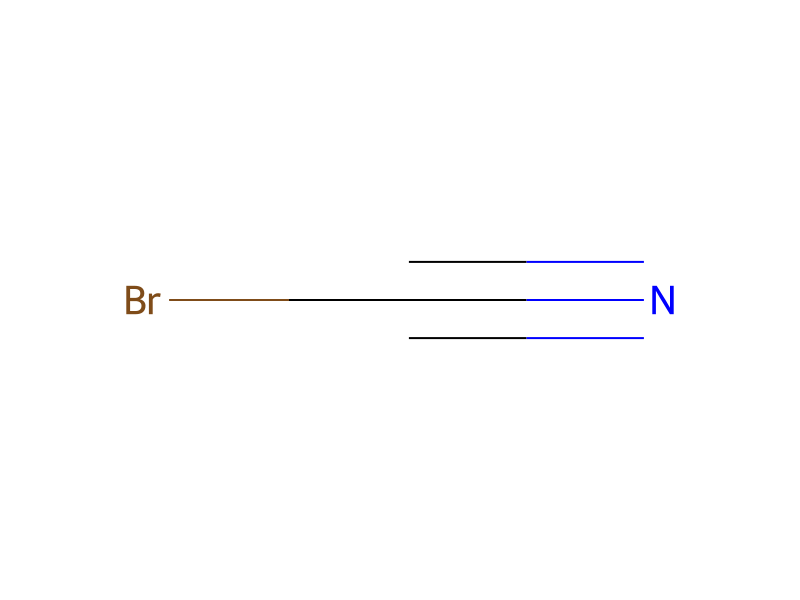
[CH3:1][N:2]1[CH2:7][CH2:6][N:5]([CH2:8][CH2:9][CH2:10][NH:11][C:12]2[CH:17]=[CH:16][CH:15]=[CH:14][C:13]=2[NH2:18])[CH2:4][CH2:3]1.[N:19]#[C:20]Br.[OH-].[K+].CC(C)=O>O>[CH3:1][N:2]1[CH2:3][CH2:4][N:5]([CH2:8][CH2:9][CH2:10][N:11]2[C:12]3[CH:17]=[CH:16][CH:15]=[CH:14][C:13]=3[N:18]=[C:20]2[NH2:19])[CH2:6][CH2:7]1Participants
Reactant 4



Product 1

Reagents, catalysts & solvents 1

Procedure
To a stirred solution of N-[3-(4-methyl-1-piperazinyl)propyl]-o-phenylendiamine (334.8 g., 1.35 mole) in water (1400 ml.) under nitrogen, was added cyanogen bromide (200 g., 1.89 mole) at a rate sufficient to maintain the reaction temperature at 50°-65° C. The addition took place over a 2 hour period. The reaction mixture was then cooled and the pH adjusted to 10 by the dropwise addition of 50% KOH. The basic aqueous layer was extracted from chloroform (5 × 500 ml.). The organic layers were combined, dried (MgSO4), and evaporated in vacuo to give a dark brown semi-solid. Slurrying with acetone (300 ml.) gave on filtration and washing with acetone 120.1 g., (32.5% yield) of 1-[3-(4-methyl-1-piperazinyl)propyl]-2-aminobenzimidazole as a pale yellow solid, m.p. 195°-197° C.
Workup
- temperatureto maintain the reaction temperature at 50°-65° C
- additionThe addition
- customover a 2 hour
- temperatureThe reaction mixture was then cooled
- extractionThe basic aqueous layer was extracted from chloroform (5 × 500 ml.)
- dry with materialdried (MgSO4)
- customevaporated in vacuo
- customto give a dark brown semi-solid
- customgave on filtration
- washwashing with acetone 120.1 g
Sources & evidence
- ORD record
- ord-8eca1066fe404feaa01b7da45ee195fc
- Source dataset
- uspto-grants-1977_11
- Patent number
- US04059584
Reaction notes
Loading…