Pyridine → Pyridinium, 1-fluoro-, 1,1,1-trifluoromethanesulfonate (1:1)
Reaction equation

[N:1]1[CH:6]=[CH:5][CH:4]=[CH:3][CH:2]=1.[F:7]F.[F:9][C:10]([F:16])([F:15])[S:11]([O-:14])(=[O:13])=[O:12].[Na+]>C(#N)C>[F:9][C:10]([F:16])([F:15])[S:11]([O-:14])(=[O:13])=[O:12].[F:7][N+:1]1[CH:6]=[CH:5][CH:4]=[CH:3][CH:2]=1Participants
Reactant 3

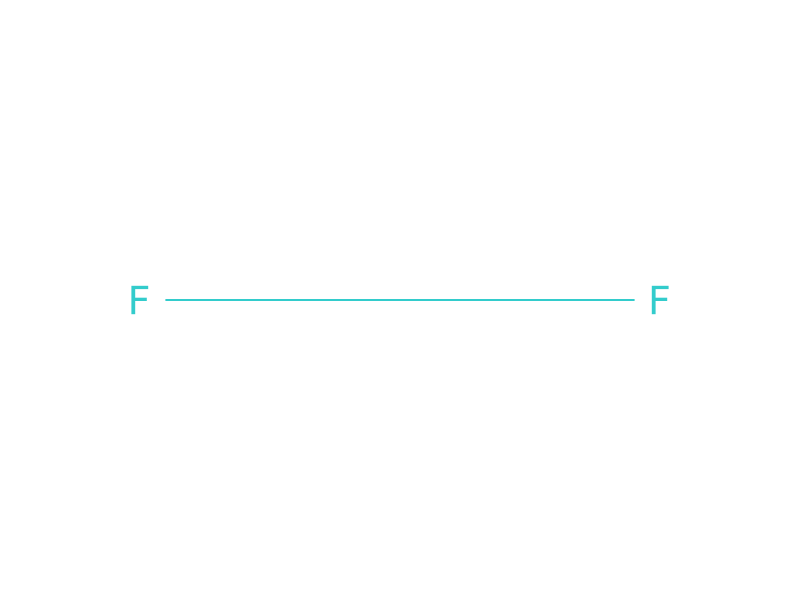

Product 1

Reagents, catalysts & solvents 1

Conditions
- Temperature
- -40 °C
Procedure
To a 100 ml anhydrous acetonitrile solution containing 10 g (0.126 mole) of pyridine a mixed gas of fluorine and nitrogen was introduced at a rate of 90 ml/min. at -4020 C. under virorous stirring. The amount of the flourine gas introduced amounted to 0.18 mole. Subsequent to the fluorine introduction, 22 g (0.128 mole) of sodium trifluoromethanesulfonate as a XM reactant was added to the reaction solution after which the resultant reaction solution was maintained at -40° C. for 5 hours under stirring. Subsequently, the solvent, after filtering sodium fluoride, was distilled off and the resultant residue was recrystallized from methylene chloride to give 17.5 g (yield: 71%) of N-fluoropyridinium trifluoromethanesulfonate. The product thus obtained was repurified with methylene chloride/acetonitrile to recover 13.8 g (yield: 56%).
Workup
- additionwas introduced at a rate of 90 ml/min. at -4020 C
- additionThe amount of the flourine gas introduced
- customreaction solution
- filtrationSubsequently, the solvent, after filtering sodium fluoride
- distillationwas distilled off
- customthe resultant residue was recrystallized from methylene chloride
Sources & evidence
- ORD record
- ord-ace022c2cce6491792f56c5da5d47bcb
- Source dataset
- uspto-grants-1996_03
- Patent number
- USRE035177
Reaction notes
Loading…