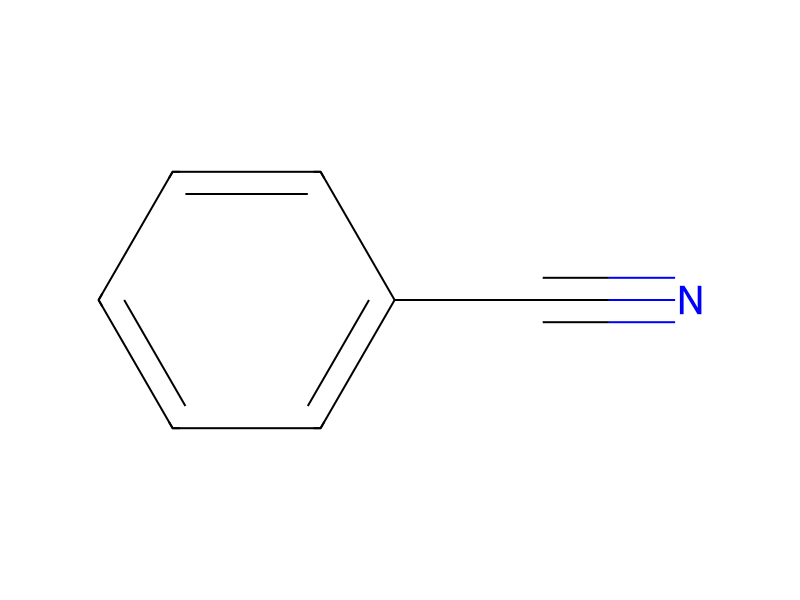
Benzonitrile → HCID 178418369, compound
Reaction equation

[N-:1]=[N+:2]=[N-:3].[Na+].[C:5](#[N:12])[C:6]1[CH:11]=[CH:10][CH:9]=[CH:8][CH:7]=1>[Cl-].[Zn+2].[Cl-]>[C:6]1([C:5]2[NH:12][N:3]=[N:2][N:1]=2)[CH:11]=[CH:10][CH:9]=[CH:8][CH:7]=1Participants
4
Reactant 2

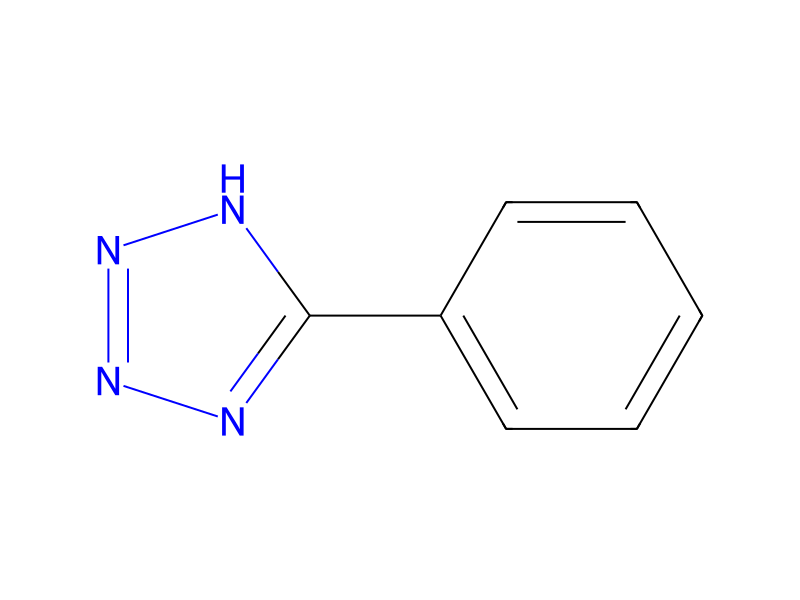
Product 1
Reagents, catalysts & solvents 1

Procedure
As outlined in Scheme 8, benzonitrile is treated with sodium azide and zinc chloride to give 5-phenyltetrazole 14 which is converted to the N-trityl derivative 15 by treatment with triphenylmethyl chloride and triethylamine. The zinc reagent 16 was prepared by treatment with n-butyllithium followed by zinc chloride. Coupling with 4-iodotoluene using the catalyst bis(triphenylphosphine)nickel(II) dichloride gives the biphenyl product 17 in high yield. Treatment with N-bromosuccinimide in refluxing carbon tetrachloride, in the presence of a radical initiator such as benzoyl peroxide or 2,2'-azobisisobutyronitrile (AIBN), gives bromide 18.
Sources & evidence
- ORD record
- ord-e7262c0c14be4395913fed1a7d13e760
- Source dataset
- uspto-grants-1997_02
- Patent number
- US05606054
Reaction notes
Loading…