Phenol → 5-(4-Hydroxyphenyl)imidazolidine-2,4-dione
Reaction equation

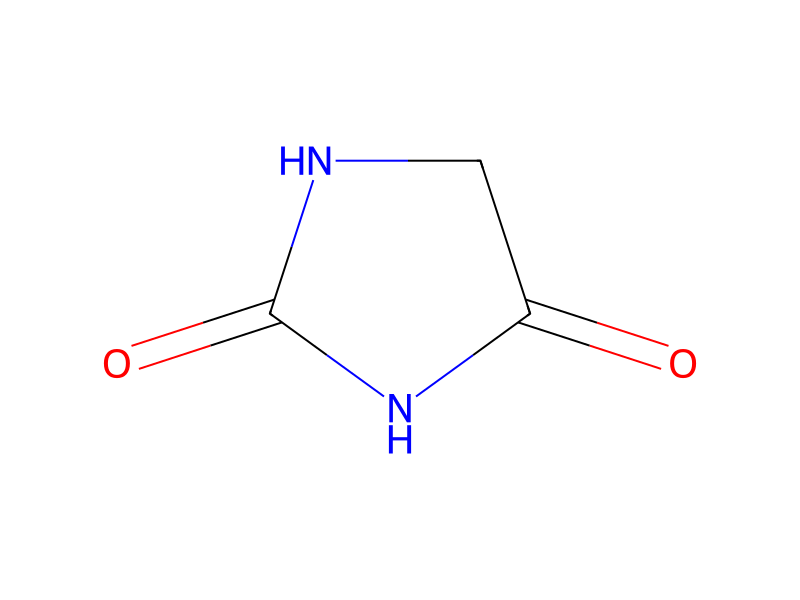
[NH:1]1[CH2:7][C:5](=[O:6])[NH:4][C:2]1=[O:3].BrBr.[C:10]1([OH:16])[CH:15]=[CH:14][CH:13]=[CH:12][CH:11]=1>O1CCOCC1>[OH:16][C:10]1[CH:15]=[CH:14][C:13]([CH:7]2[NH:1][C:2](=[O:3])[NH:4][C:5]2=[O:6])=[CH:12][CH:11]=1Participants
Reactant 3


Product 1

Reagents, catalysts & solvents 1

Conditions
- Temperature
- 100 °C
Procedure
4.0 g (40 mmol) of hydantoin, 10 ml of dioxane, and 2.0 ml (40 mmol) of bromine were mixed at room temperature. The reaction mixture was then vigorously stirred at a temperature of 100° C. for 30 minutes. The reaction mixture was then cooled to a temperature of 0° C. To the reaction mixture was then added 5.7 g (60 mmol) of phenol. The reaction mixture was then allowed to undergo reaction at a temperature of 0° C. for 12 hours. The resulting precipitate was recovered by filtration, washed with water, and then dried to obtain 5.53 g (yield: 72%) of 5-(p-hydroxy-phenyl)hydantoin. The crystal thus obtained exhibited a melting point of 263° to 265° C. The infrared spectrum, NMR spectrum and Rf value of silica gel thin layer chromatography of the crystal showed a complete conformance to that of a specimen synthesized by the method as disclosed in JP-B-55-22474.
Workup
- temperatureThe reaction mixture was then cooled to a temperature of 0° C
- customreaction at a temperature of 0° C. for 12 hours
- filtrationThe resulting precipitate was recovered by filtration
- washwashed with water
- customdried
Sources & evidence
- ORD record
- ord-44de9b3004c649d1b63c89269730f554
- Source dataset
- uspto-grants-1997_02
- Patent number
- US05606071
Reaction notes
Loading…