Pyridine → HCID 22096992, compound
Reaction equation

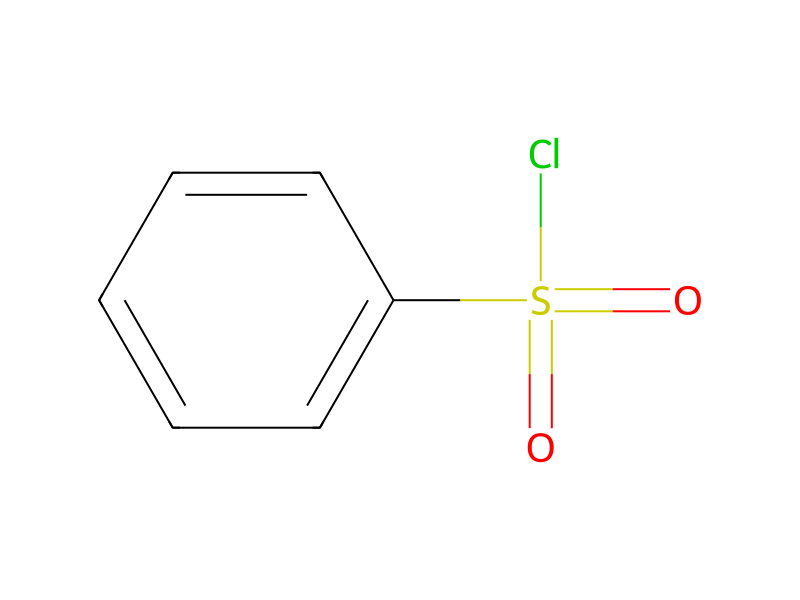
[NH2:1][C:2]1[C:11]([Cl:12])=[C:10]([Cl:13])[CH:9]=[C:8]2[C:3]=1[N:4]=[C:5]([O:16][CH3:17])[C:6]([O:14][CH3:15])=[N:7]2.[C:18]1([S:24](Cl)(=[O:26])=[O:25])[CH:23]=[CH:22][CH:21]=[CH:20][CH:19]=1.N1C=CC=CC=1.C(OCC)(=O)C.O>ClCCl>[Cl:12][C:11]1[C:2]([NH:1][S:24]([C:18]2[CH:23]=[CH:22][CH:21]=[CH:20][CH:19]=2)(=[O:26])=[O:25])=[C:3]2[C:8](=[CH:9][C:10]=1[Cl:13])[N:7]=[C:6]([O:14][CH3:15])[C:5]([O:16][CH3:17])=[N:4]2Participants
6




Procedure
A mixture of 5-amino-6,7-dichloro-2,3-dimethoxyquinoxaline (Preparation 1) (548 mg, 2.0 mmol), benzenesulphonyl chloride (1.28 ml, 10 mmol) and pyridine (0.8 ml, 10 mmol) in dry dichloromethane (30 ml) was stirred at reflux for 100 hours. The mixture was poured into ethyl acetate/water and a white solid was filtered off, washed with water, ethyl acetate, then ether, and dried at 80° C. in vacuo to give the title compound (250 mg, 30%), m.p. 292°-293° C.
Workup
- temperatureat reflux for 100 hours
- filtrationa white solid was filtered off
- washwashed with water, ethyl acetate
- dry with materialether, and dried at 80° C. in vacuo
Sources & evidence
- ORD record
- ord-3c98b14d96e349cb96f0830357d0e6f8
- Source dataset
- uspto-grants-1998_12
- Patent number
- US05852016
Reaction notes
Loading…