Pyridoxal 5'-phosphate → Benzyl acetone
Reaction equation

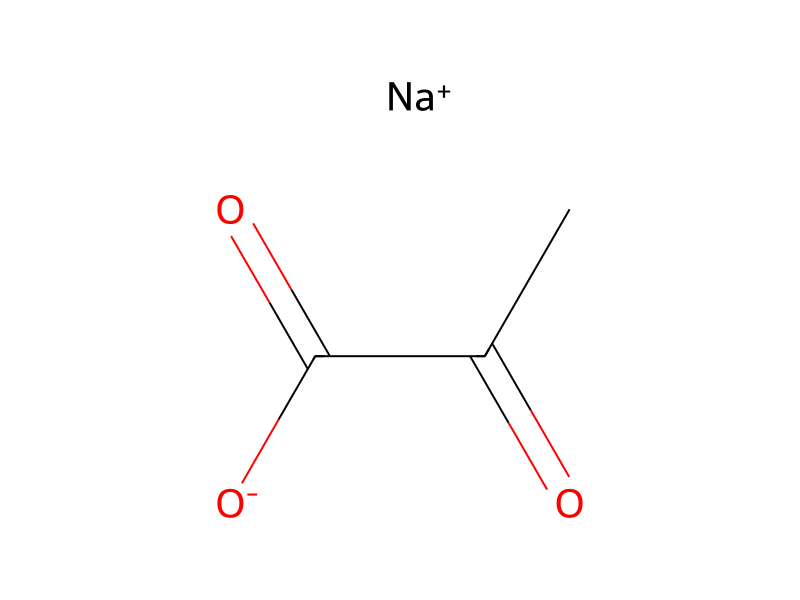
[C:1]([O-])(=O)[C:2]([CH3:4])=O.[Na+].[CH3:8][C:9]1N=[CH:13][C:12]([CH2:15]OP(O)(O)=O)=[C:11](C=O)[C:10]=1O.P([O-])([O-])([O-])=[O:25].[K+].[K+].[K+]>>[C:12]1([CH2:11][CH2:10][C:9](=[O:25])[CH3:8])[CH:13]=[CH:4][CH:2]=[CH:1][CH:15]=1Participants
4



Procedure
A 140 mL. solution of 10 mM R,S-1-phenyl-3-aminobutane, 100M of sodium pyruvate, 0.1 mM of pyridoxal phosphate, and 25 mM of potassium phosphate (pH 7) was circulated through the above matrix at ambient temperatures and a rate of 5 mL/min. After two hours, the circulating liquid was removed from the apparatus. The concentration of 1-phenylbutan-3-one formed was 5.2 mM while that of R-1-phenyl-3-aminobutane was 4.8 mM. The pH was adjusted to 12.5 and R-1-phenyl-3-aminobutane was isolated quantitatively by extraction with heptane. After removal of the heptane by evaporation, the product was analyzed as 92.8% R -1-phenyl-3-aminobutane.
Workup
- customthe circulating liquid was removed from the apparatus
Sources & evidence
- ORD record
- ord-dfc44a0c21de4b57be7e7dcf803e50cd
- Source dataset
- uspto-grants-1994_04
- Patent number
- US05300437
Reaction notes
Loading…