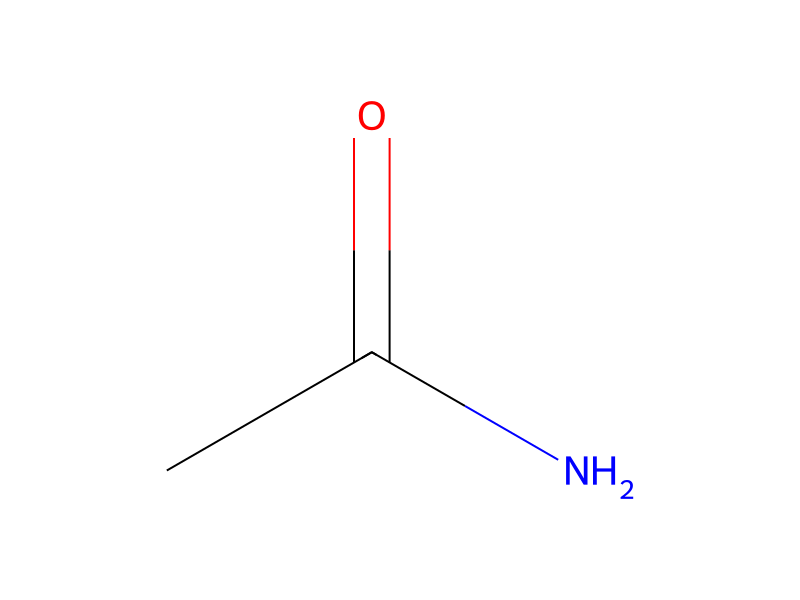
Acetamide → HCID 136351380, compound
Reaction equation

[NH:1]1[C:10]2[C:5]([CH:6]=[CH:7][C:8]3[C:9]=2[CH:11]=[CH:12][N:13]=3)=[CH:4][CH:3]=[C:2]1[C:14](=O)[C:15]([O:17]C)=O.[C:20]([NH2:23])(=[O:22])[CH3:21]>>[NH:1]1[C:10]2[C:5]([CH:6]=[CH:7][C:8]3[C:9]=2[CH:11]=[CH:12][N:13]=3)=[CH:4][CH:3]=[C:2]1[C:14]1[C:15](=[O:17])[NH:23][C:20](=[O:22])[CH:21]=1Participants
3


Procedure
In one embodiment, the method of the present invention comprises a step of dissolving methyl pyrroloquinolinyl-oxoacetate and acetamide in an organic solvent and adding the obtained solution to a base, and reacting methylpyrroloquinolinyl-oxoacetate and acetamide to form highly pure pyrroloquinolinyl-pyrrole-2,5-dione. In one embodiment, the base is dissolved or suspended in an organic solvent. In a further embodiment, the base is dissolved or suspended in the same organic solvent as methylpyrroloquinolinyl-oxoacetate and acetamide. In a further embodiment, highly pure pyrroloquinolinyl-pyrrolidine-2,5-dione is formed by reducing pyrroloquinolinyl-pyrrole-2,5-dione.
Workup
- additionadding the obtained solution to a base
Sources & evidence
- ORD record
- ord-ec733e091a8d49519434a14d89045e54
- Source dataset
- uspto-grants-2015_04
- Patent number
- US09000005B2
Reaction notes
Loading…