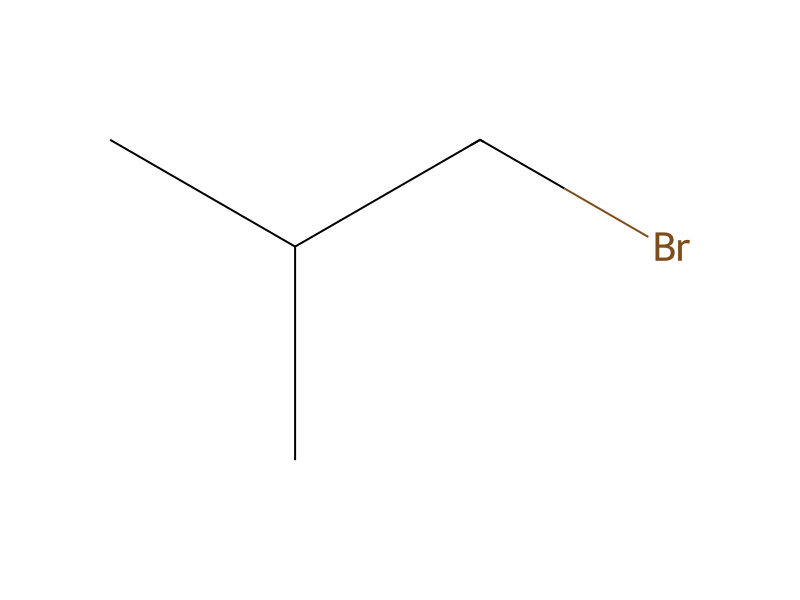
1-Bromo-2-methylpropane → [3-(6-Chloro-1-isobutyl-2-methyl-1H-indol-3-ylsulfanyl)-phenyl]-acetic acid
Reaction equation

[Cl:1][C:2]1[CH:10]=[C:9]2[C:5]([C:6]([S:12][C:13]3[CH:14]=[C:15]([CH2:19][C:20]([OH:22])=[O:21])[CH:16]=[CH:17][CH:18]=3)=[C:7]([CH3:11])[NH:8]2)=[CH:4][CH:3]=1.Br[CH2:24][CH:25]([CH3:27])[CH3:26]>>[Cl:1][C:2]1[CH:10]=[C:9]2[C:5]([C:6]([S:12][C:13]3[CH:14]=[C:15]([CH2:19][C:20]([OH:22])=[O:21])[CH:16]=[CH:17][CH:18]=3)=[C:7]([CH3:11])[N:8]2[CH2:24][CH:25]([CH3:27])[CH3:26])=[CH:4][CH:3]=1Participants
3


Procedure
Prepared according to the procedure described in Example 4, Step 1, using the following starting materials: [3-(6-chloro-2-methyl-1H-indol-3-ylsulfanyl)-phenyl]-acetic acid and 1-bromo-2-methylpropane.
Workup
- customPrepared
Sources & evidence
- ORD record
- ord-5529c9e6815d40ca9e23314fdac77771
- Source dataset
- uspto-grants-2015_04
- Patent number
- US09000025B2
Reaction notes
Loading…