3-Amino-4,4-difluorobut-2-enenitrile → HCID 178434239, compound
Reaction equation

[CH3:1][C:2]1[C:10]2[C:5](=[CH:6][CH:7]=[C:8]([CH:11]=O)[CH:9]=2)[NH:4][N:3]=1.[NH2:13][C:14]([CH:18]([F:20])[F:19])=[CH:15][C:16]#[N:17]>C(O)(=O)C.CO.ClCCl>[F:19][CH:18]([F:20])[C:14]1[NH:13][C:14]([CH:18]([F:20])[F:19])=[C:15]([C:16]#[N:17])[CH:11]([C:8]2[CH:9]=[C:10]3[C:5](=[CH:6][CH:7]=2)[NH:4][N:3]=[C:2]3[CH3:1])[C:15]=1[C:16]#[N:17]Participants
5
Reactant 2


Product 1

Reagents, catalysts & solvents 2

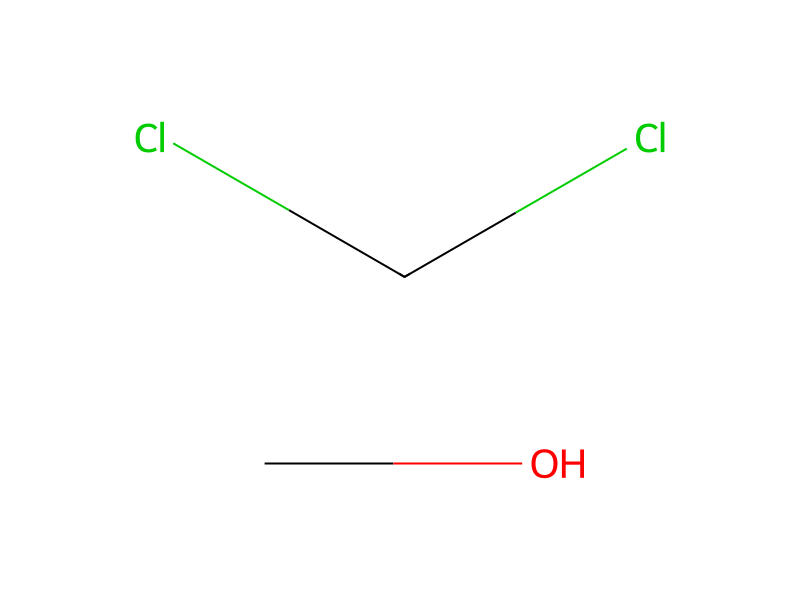
Procedure
A solution of 80 mg (0.50 mmol) 3-methyl-1H-indazole-5-carbaldehyde (Example 1A) and 130 mg (1.10 mmol) 3-amino-4,4-difluorobut-2-enenitrile [obtainable by Thorpe reaction of acetonitrile with 2,2-difluoroacetonitrile, cf. Org. React. 15, 1 (1967), ibid. 31, 1 (1984)] in acetic acid (0.5 ml) containing powdered 4 Å molecular sieve was heated to reflux temperature for 3.5 h. After cooling, the reaction mixture was diluted with methanol/dichloromethane and filtered. The filtrate was evaporated, and the residue was purified by preparative RP-HPLC (acetonitrile/water+0.1% TFA gradient) yielding 61 mg (34% of th.) of the title compound.
Workup
- temperaturewas heated
- temperatureto reflux temperature for 3.5 h
- temperatureAfter cooling
- filtrationfiltered
- customThe filtrate was evaporated
- customthe residue was purified by preparative RP-HPLC (acetonitrile/water+0.1% TFA gradient)
Sources & evidence
- ORD record
- ord-1749f805e3f745d69a8d924672a093eb
- Source dataset
- uspto-grants-2016_08
- Patent number
- US09422263B2
Reaction notes
Loading…