Dimethylamine → 1,1-Dimethyl-2-(5-chloro-2-morpholinophenyl)guanidine
Reaction equation

[Cl:1][C:2]1[CH:3]=[CH:4][C:5]([N:11]2[CH2:16][CH2:15]OCC2)=[C:6]([NH:8][C:9]#[N:10])[CH:7]=1.[CH3:17][NH:18][CH3:19].[CH2:20]([OH:22])[CH3:21]>>[CH3:17][N:18]([CH3:19])[C:9]([NH2:10])=[N:8][C:6]1[CH:7]=[C:2]([Cl:1])[CH:3]=[CH:4][C:5]=1[N:11]1[CH2:16][CH2:15][O:22][CH2:20][CH2:21]1Participants
4
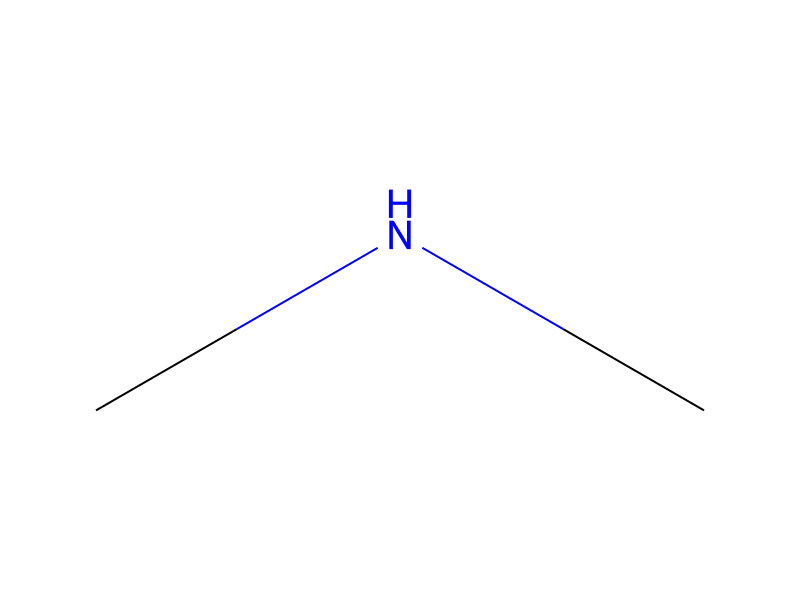



Procedure
In a similar manner to that described in Example 272, N-(5-chloro-2-morpholinophenyl)cyanamide (2.3 g) in ethanol (10 ml) and a 33% ethanolic solution of dimethylamine (6 ml) were heated under reflux for 4 hours to give 1,1-dimethyl-2-(5-chloro-2-morpholinophenyl)guanidine (m.p. 135°-138° C.) which was recrystallised from hexane and then was converted into its monofumarate salt (m.p. 223°-225° C.) which was recrystallised from methanol.
Workup
- temperatureunder reflux for 4 hours
Sources & evidence
- ORD record
- ord-7df32efa294f4e0da2308624f7d01737
- Source dataset
- uspto-grants-1994_12
- Patent number
- US05373008
Reaction notes
Loading…