2,3-Dichlorobenzaldehyde → HCID 53943322, compound
Reaction equation

[Cl:1][C:2]1[C:9]([Cl:10])=[CH:8][CH:7]=[CH:6][C:3]=1[CH:4]=O.[CH3:11][O:12][C:13](=[O:20])[CH2:14][C:15](=[O:19])[CH2:16][O:17][CH3:18]>N1C=CC=CC=1.C(O)(=O)CCCCC.C1C=CC=CC=1>[CH3:11][O:12][C:13](=[O:20])[C:14](=[CH:4][C:3]1[CH:6]=[CH:7][CH:8]=[C:9]([Cl:10])[C:2]=1[Cl:1])[C:15](=[O:19])[CH2:16][O:17][CH3:18]Participants
6
Reactant 2


Product 1

Reagents, catalysts & solvents 3


Procedure
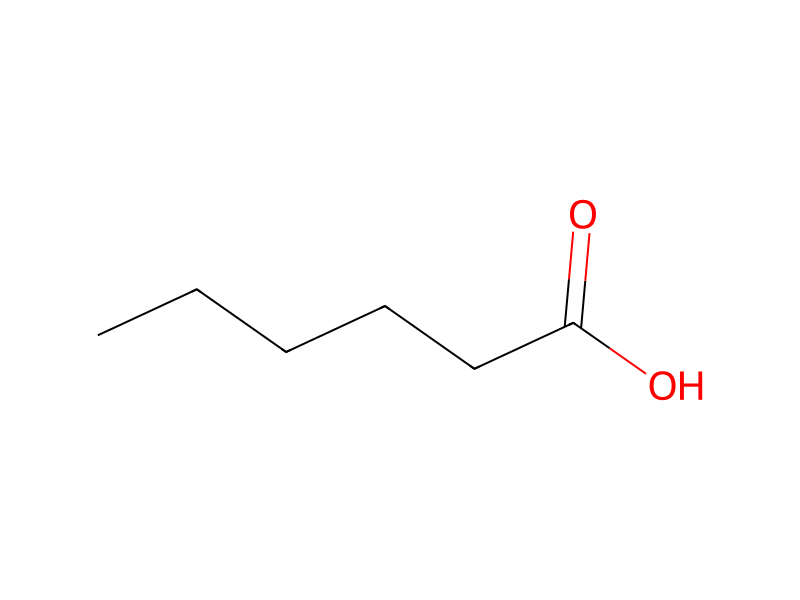
A solution containing 160 ml of anhydrous benzene, 5 g of 2,3-dichlorobenzaldehyde, 4.2 g of 4-methoxy-3-oxo-butanoic acid methyl ester, 16 drops of pyridine and 22 drops of hexanoic acid is heated under reflux for one hour, removing the water formed. The mixture is then washed with a saturated sodium bicarbonate solution and then with a 0.1N hydrochloric acid solution. The organic phase is taken and evaporated to dryness so as to obtain 8.3 g of an oil.
Workup
- temperatureis heated
- temperatureunder reflux for one hour
- customremoving the water
- customformed
- washThe mixture is then washed with a saturated sodium bicarbonate solution
- customevaporated to dryness so as
Sources & evidence
- ORD record
- ord-731482801e1044cab08110b661a7153a
- Source dataset
- uspto-grants-1991_06
- Patent number
- US05026863
Reaction notes
Loading…