Dipropylamine → HCID 68593802, compound
Reaction equation

[CH3:1][C:2]1[CH:3]=[C:4]([CH:17]=[CH:18][C:19]=1[CH3:20])[C:5]([C:7]1([OH:16])[CH2:12][CH2:11][CH2:10][CH2:9][CH:8]1[C:13]([OH:15])=[O:14])=[O:6].[CH2:21]([NH:24][CH2:25][CH2:26][CH3:27])[CH2:22][CH3:23]>CC(C)=O>[CH2:21]([NH2+:24][CH2:25][CH2:26][CH3:27])[CH2:22][CH3:23].[CH3:1][C:2]1[CH:3]=[C:4]([CH:17]=[CH:18][C:19]=1[CH3:20])[C:5]([C:7]1([OH:16])[CH2:12][CH2:11][CH2:10][CH2:9][CH:8]1[C:13]([O-:15])=[O:14])=[O:6]Participants
4
Reactant 2
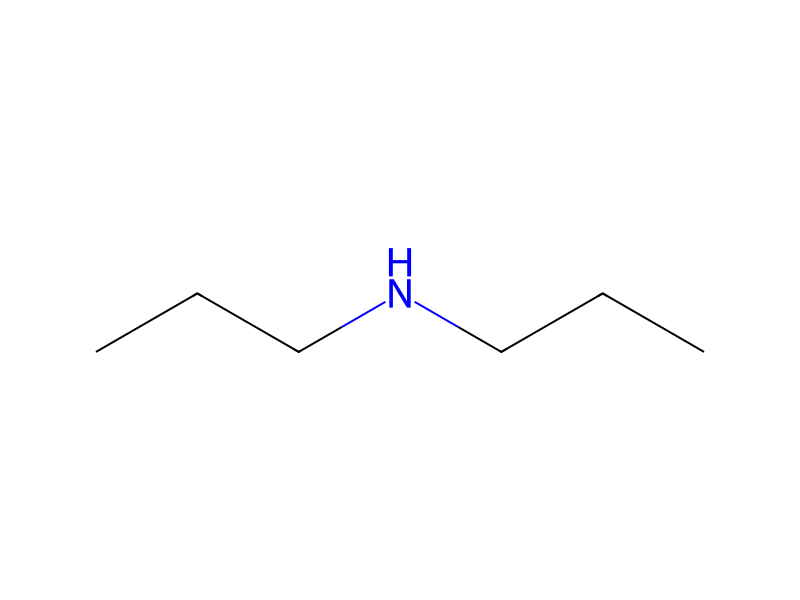

Product 1

Reagents, catalysts & solvents 1

Procedure
5.53 g (0.02 mol) of 2-(3,4-dimethyl-benzoyl)-2-hydroxy-cyclohexanecarboxylic acid (=compound of example 3) are dissolved in 30 ml of acetone. A solution of 2.02 g (0.02 mol) of dipropylamine in 30 ml of acetone and the reaction mixture are stirred at room temperature for 30 minutes. The solvent is evaporated in vacuum and the remaining residue is dried in vacuum. 7.4 g of 2-(3,4-dimethyl-benzoyl)-2-hydroxy-cyclohexanecarboxylate dipropyl-ammonium are obtained as slightly yellowish crystals with a melting range of 122-129° C.
Workup
- customThe solvent is evaporated in vacuum
- customthe remaining residue is dried in vacuum
Sources & evidence
- ORD record
- ord-0b2002febf0b48ab9efd772383d751ac
- Source dataset
- uspto-grants-2015_12
- Patent number
- US09199934B2
Reaction notes
Loading…