Phosphorus trichloride → 4-chloro-2-(cyclopentyloxy)-6,7-dihydro-5H-cyclopenta[b]pyridine
Reaction equation

[Cl:1][C:2]1[CH:7]=[C:6]([O:8][CH:9]2[CH2:13][CH2:12][CH2:11][CH2:10]2)[N+:5]([O-])=[C:4]2[CH2:15][CH2:16][CH2:17][C:3]=12.P(Cl)(Cl)Cl>C(Cl)Cl>[Cl:1][C:2]1[CH:7]=[C:6]([O:8][CH:9]2[CH2:13][CH2:12][CH2:11][CH2:10]2)[N:5]=[C:4]2[CH2:15][CH2:16][CH2:17][C:3]=12Participants
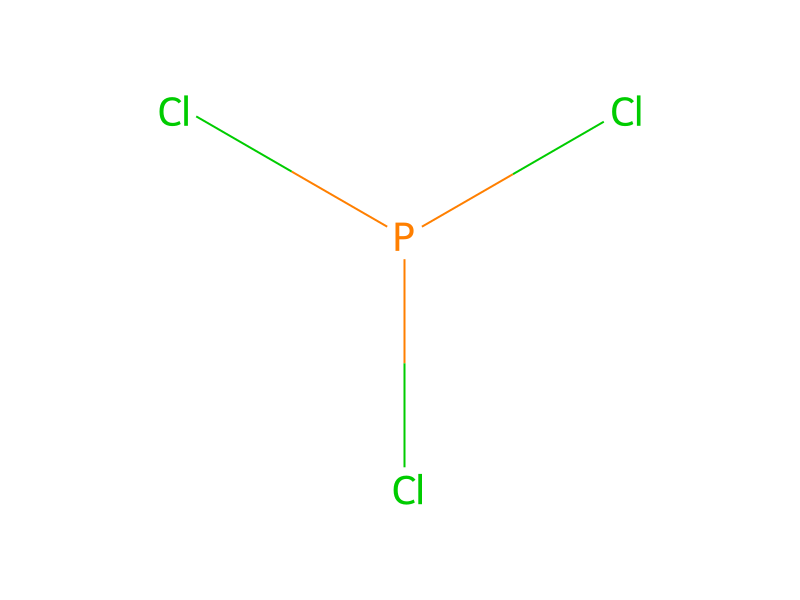



Procedure
To a solution of crude 4-chloro-2-(cyclopentyloxy)-6,7-dihydro-5H-cyclopenta[b]pyridine 1-oxide (0.49 mmol) in methylene chloride (5 mL) was added phosphorous trichloride (0.100 g, 0.74 mmol). The mixture stirred at rt for 2 h. After this time, the mixture was quenched with a saturated solution of NaHCO3 and extracted with methylene chloride. The organic layer was dried over anhydrous sodium sulfate, filtered, and the filtrate was concentrated. The residue was purified by column chromatography (silica, hexanes/ethyl acetate) to afford the title compound (0.029 g, 25% over two steps) as a clear oil. MW=237.73. 1H NMR (CDCl3, 300 MHz) δ 6.45 (s, 1H), 5.34-5.26 (m, 1H), 3.01-2.84 (m, 4H), 2.11 (quip; J=7.5 Hz, 2H), 2.00-1.57 (m, 8H); APCI MS m/z 238 [M+H]+.
Workup
- customAfter this time, the mixture was quenched with a saturated solution of NaHCO3
- extractionextracted with methylene chloride
- dry with materialThe organic layer was dried over anhydrous sodium sulfate
- filtrationfiltered
- concentrationthe filtrate was concentrated
- customThe residue was purified by column chromatography (silica, hexanes/ethyl acetate)
Sources & evidence
- ORD record
- ord-9f6458f60f504c02aea840c48f69e713
- Source dataset
- uspto-grants-2015_12
- Patent number
- US09221843B2
Reaction notes
Loading…