Pyridine → 4-bromo-N-methoxy-N,3-dimethylbenzamide
Reaction equation

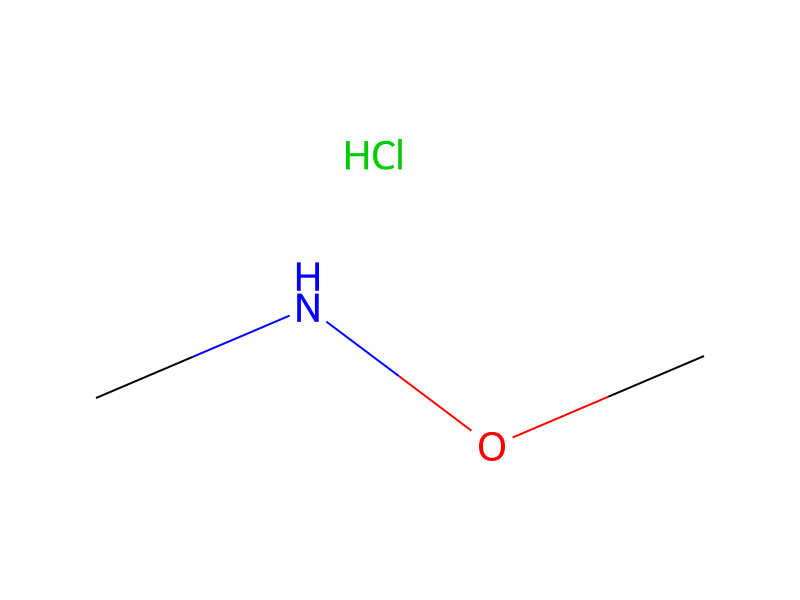
[Br:1][C:2]1[CH:10]=[CH:9][C:5]([C:6](O)=[O:7])=[CH:4][C:3]=1[CH3:11].Cl.[CH3:13][NH:14][O:15][CH3:16].N1C=CC=CC=1>S(Cl)(Cl)=O.ClCCl>[Br:1][C:2]1[CH:10]=[CH:9][C:5]([C:6]([N:14]([O:15][CH3:16])[CH3:13])=[O:7])=[CH:4][C:3]=1[CH3:11]Participants





Procedure
A stirred suspension of 4-bromo-3-methylbenzoic acid (15 g, 69.0 mmol) in thionyl chloride (60 mL) was heated at reflux for 2 h and then concentrated under reduced pressure. The residual acyl chloride was dissolved in dichloromethane (300 mL) and added to a stirred solution of N,O-dimethylhydroxylamine hydrochloride (7.2 g, 72.0 mmol) and pyridine (16.8 mL, 207.0 mmol) in dichloromethane (450 mL) at −20° C. The reaction mixture was allowed to warm to room temperature overnight and then washed with 1 M aqueous potassium carbonate solution. The aqueous solution was extracted with dichloromethane. The organic extracts were concentrated under reduced pressure. The residue was purified by chromatography on silica gel using 50% ethyl acetate/hexanes as eluent to afford the title product as a pale yellow oil (17.81 g, 69.0 mmol, 100% yield).
Workup
- temperaturewas heated
- temperatureat reflux for 2 h
- concentrationconcentrated under reduced pressure
- dissolutionThe residual acyl chloride was dissolved in dichloromethane (300 mL)
- washwashed with 1 M aqueous potassium carbonate solution
- extractionThe aqueous solution was extracted with dichloromethane
- concentrationThe organic extracts were concentrated under reduced pressure
- customThe residue was purified by chromatography on silica gel using 50% ethyl acetate/hexanes as eluent
Sources & evidence
- ORD record
- ord-3ae2a99bf55642a2b66c72040abe202c
- Source dataset
- uspto-grants-2012_07
- Patent number
- US08217180B2
Reaction notes
Loading…