Phenyl isocyanate → 2-[(Phenylcarbamoyl)oxy]ethyl prop-2-enoate
Reaction equation

C(C1C=C(C)C=C(C(C)(C)C)C=1O)(C)(C)C.CN(CCCN1CN(CCCN(C)C)CN(CCCN(C)C)C1)C.[C:41]1([N:47]=[C:48]=[O:49])[CH:46]=[CH:45][CH:44]=[CH:43][CH:42]=1.[C:50]([O:54][CH2:55][CH2:56][OH:57])(=[O:53])[CH:51]=[CH2:52].[N-]=C=O>>[C:50]([O:54][CH2:55][CH2:56][O:57][C:48](=[O:49])[NH:47][C:41]1[CH:46]=[CH:45][CH:44]=[CH:43][CH:42]=1)(=[O:53])[CH:51]=[CH2:52]Participants
6


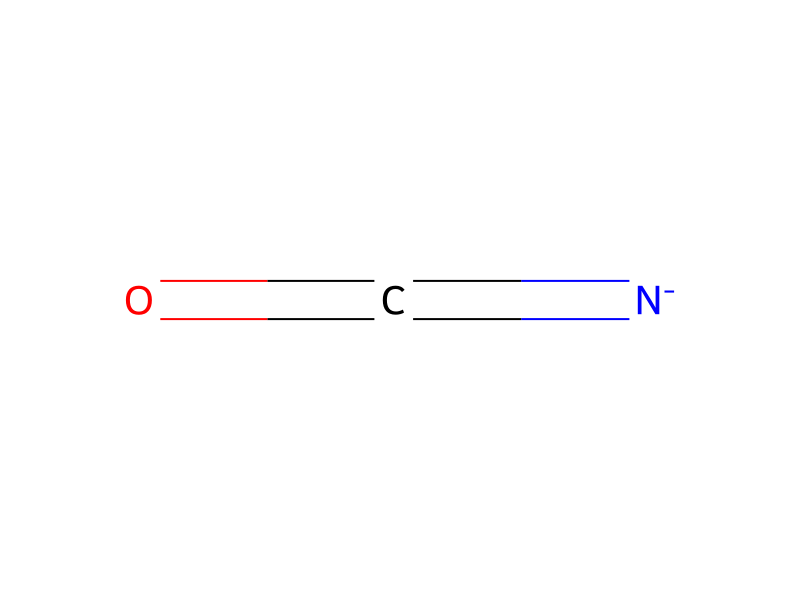

Conditions
- Temperature
- 60 °C
Procedure
0.25 g of 2,6-di-tert-butyl-4-methylphenol, 0.12 g of Desmorapid Z, 126.4 g of phenyl isocyanate were initially introduced into a 500 ml round-bottomed flask and heated to 60° C. Thereafter, 123.3 g of 2-hydroxyethyl acrylate were added dropwise and the mixture was kept further at 60° C. until the isocyanate content had fallen below 0.1%. Cooling was then effected. The product was obtained as a crystalline solid (preparation described in DE 2329142).
Workup
- temperatureCooling
- customThe product was obtained as a crystalline solid (preparation described in DE 2329142)
Sources & evidence
- ORD record
- ord-91083c9c77914509b029d5838ebc415e
- Source dataset
- uspto-grants-2012_07
- Patent number
- US08222314B2
Reaction notes
Loading…