Hydrogen phosphate → 1H-Indazole-5-carboxaldehyde
Reaction equation

[C:1]([C:3]1[CH:4]=[C:5]2[C:9](=[CH:10][CH:11]=1)[NH:8][N:7]=[CH:6]2)#N.P([O-])([O-])(O)=[O:13]>O.C(O)(=O)C.N1C=CC=CC=1.[Ni].O>[NH:8]1[C:9]2[C:5](=[CH:4][C:3]([CH:1]=[O:13])=[CH:11][CH:10]=2)[CH:6]=[N:7]1Participants
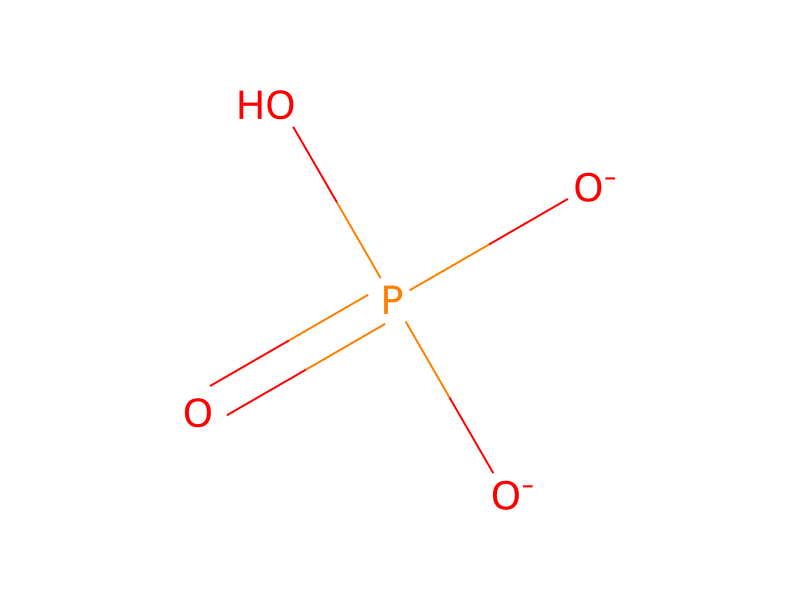





Conditions
- Temperature
- 50 °C
Procedure
5-Cyanoindazole (2.32 g) [Hailey etc Synthetic communications, (1997), 27 (7), 1199-1207] was dissolved in a mixture of water (16.7 ml ), glacial acetic acid (16.7 ml ) and pyridine (33.4 ml) under a atmosphere of nitrogen. Sodiun hydrogen phosphate (4.64 g) was added to the mixture followed by raney nickel/ water (2 g/ml). The reaction mixture was heated to 50° C. for 5 hrs and then allowed to cool to room temperature and stirred for 18 hrs. The catalyst was then filtered off and washed with pyridine and water. The pH of the solution was adjusted to 9.0 with sodium carbonate and the product extracted with ethyl acetate (×2). The organic layers were dried over MgSO4 and evaporated under reduced pressure. The crude solid was purified by washing with toluene to afford the title compound as a beige solid (2.36 g).
Workup
- temperatureto cool to room temperature
- filtrationThe catalyst was then filtered off
- washwashed with pyridine and water
- extractionthe product extracted with ethyl acetate (×2)
- dry with materialThe organic layers were dried over MgSO4
- customevaporated under reduced pressure
- customThe crude solid was purified
- washby washing with toluene
Sources & evidence
- ORD record
- ord-5daf79bc5a1b45cea54c7c686e4e72dd
- Source dataset
- uspto-grants-2001_03
- Patent number
- US06200978B1
Reaction notes
Loading…