Acrylic Acid → HCID 92036866, compound
Reaction equation

[C:1]([S:26]([NH:29][CH2:30][CH3:31])(=[O:28])=[O:27])([C:4]([C:7]([C:10]([C:13]([C:16]([C:19]([C:22]([F:25])([F:24])[F:23])([F:21])[F:20])([F:18])[F:17])([F:15])[F:14])([F:12])[F:11])([F:9])[F:8])([F:6])[F:5])([F:3])[F:2].[C:32]([OH:36])(=[O:35])[CH:33]=[CH2:34]>>[C:1]([S:26]([N:29]([CH2:34][CH2:33][C:32]([OH:36])=[O:35])[CH2:30][CH3:31])(=[O:27])=[O:28])([C:4]([C:7]([C:10]([C:13]([C:16]([C:19]([C:22]([F:24])([F:25])[F:23])([F:21])[F:20])([F:18])[F:17])([F:15])[F:14])([F:12])[F:11])([F:9])[F:8])([F:6])[F:5])([F:3])[F:2]Participants
3
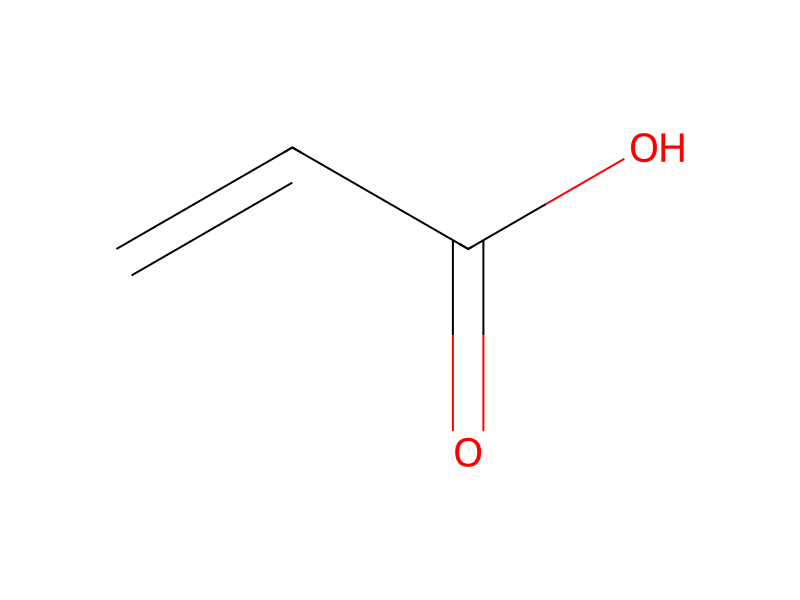


Procedure
Comparative Example C5 was prepared by the Michael addition of C8F17SO2N(C2H5)H to acrylic acid to produce C8F17SO2N(C2H5)CH2CH2CO2H. GLC analysis indicated about 20% unreacted starting material was present. The acid was then converted to the potassium salt.
Sources & evidence
- ORD record
- ord-d8e4e9f44a714fb0bdbaf9dc4e168db1
- Source dataset
- uspto-grants-2001_03
- Patent number
- US06201122B1
Reaction notes
Loading…