Isocyanate → HCID 22707430, compound
Reaction equation

CO[C:3]1[CH:4]=[C:5]2[C:10](=[CH:11][C:12]=1OC)[CH:9]=NC=[C:6]2[N:15]1[CH2:20][CH2:19][NH:18][CH2:17][CH2:16]1.CO[C:23]1[CH:24]=[C:25]2[C:30](=[CH:31][C:32]=1[O:33][CH3:34])N=CN=C2N1CCNCC1.[N-:41]=[C:42]=[O:43].[N-:44]=[C:45]=S>>[C:6]1([N:15]2[CH2:16][CH2:17][N:18]([C:42]([NH:41][C:3]3[CH:4]=[CH:5][C:34]([O:33][C:32]4[CH:23]=[CH:24][CH:25]=[CH:30][CH:31]=4)=[CH:11][CH:12]=3)=[O:43])[CH2:19][CH2:20]2)[C:5]2[C:10](=[CH:11][CH:12]=[CH:3][CH:4]=2)[CH:9]=[CH:45][N:44]=1Participants
5
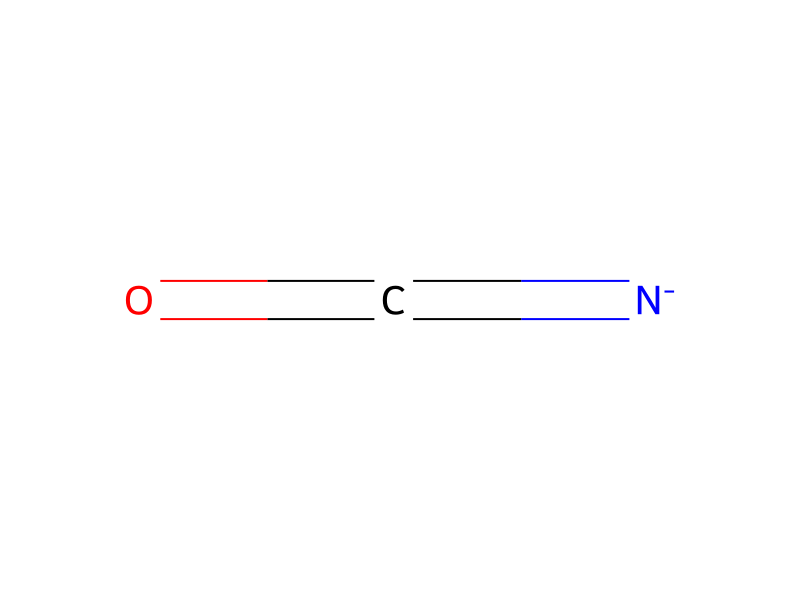


Procedure
In the following Examples 423-425, substantially the same procedure as in Example 1 was repeated, except that 6,7-dimethoxy-4-(1-piperazinyl)isoquinoline obtained according to the method described in South African Patent No. 67 06512 (1968) was used in place of 6,7-dimethoxy-4-(1-piperazinyl)quinazoline, and the corresponding isocyanate or isothiocyanate was used in place of phenyl isocyanate, to give the desired compound.
Workup
- customobtained
Sources & evidence
- ORD record
- ord-e7a5fc3b9c914f5c95c53780fff11cc2
- Source dataset
- uspto-grants-2001_03
- Patent number
- US06207667B1
Reaction notes
Loading…