3-(4-Hydroxyphenyl)propionic acid → HCID 19910176, compound
Reaction equation

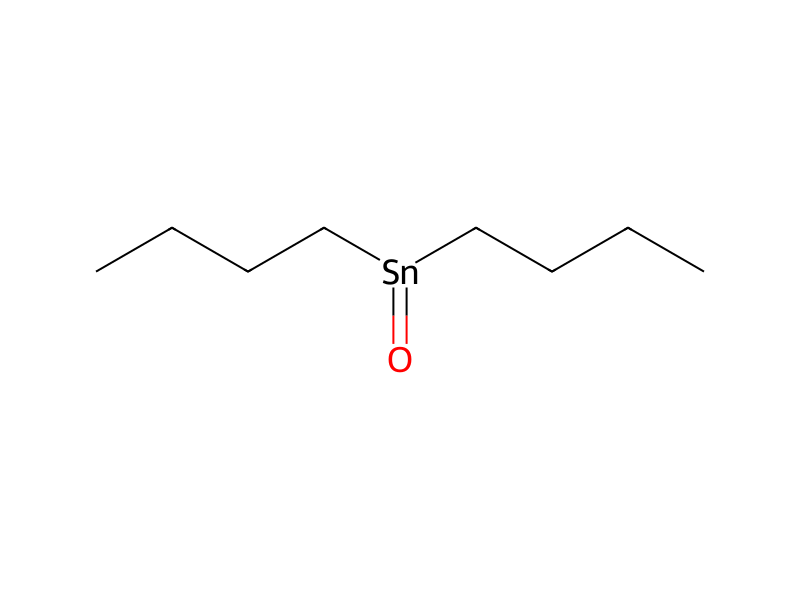
[CH2:1]([Sn:5](=O)[CH2:6][CH2:7][CH2:8][CH3:9])[CH2:2][CH2:3][CH3:4].[OH:11][C:12]1[CH:17]=[CH:16][C:15]([CH2:18][CH2:19][C:20]([OH:22])=[O:21])=[CH:14][CH:13]=1>>[OH:11][C:12]1[CH:13]=[CH:14][C:15]([CH2:18][CH2:19][C:20]([O-:22])=[O:21])=[CH:16][CH:17]=1.[OH:11][C:12]1[CH:13]=[CH:14][C:15]([CH2:18][CH2:19][C:20]([O-:22])=[O:21])=[CH:16][CH:17]=1.[CH2:1]([Sn+2:5][CH2:6][CH2:7][CH2:8][CH3:9])[CH2:2][CH2:3][CH3:4]Participants
3


Procedure
Following the procedure of Example 1, dibutyltin oxide was reacted with 33.2 g (0.2 mole) 3-(4-hydroxyphenyl)propionic acid to yield 56 g of dibutyltin bis[3-(4-hydroxyphenyl)propionate], a white crystalline material melting at 48°-50° C.
Sources & evidence
- ORD record
- ord-7dbc72f2b7e04fdd96e0117bac104460
- Source dataset
- uspto-grants-1992_02
- Patent number
- US05089645
Reaction notes
Loading…